
Column- Novus Health: the effects of smoking on the skin
Smoking is widely known for its impact on the lungs, heart and overall health, but many people are less aware of how significantly it affects the skin. The skin, being the body’s largest organ, is particularly vulnerable to the harmful chemicals in tobacco smoke. Over time, smoking accelerates ageing, damages circulation and increases the risk of several skin conditions.
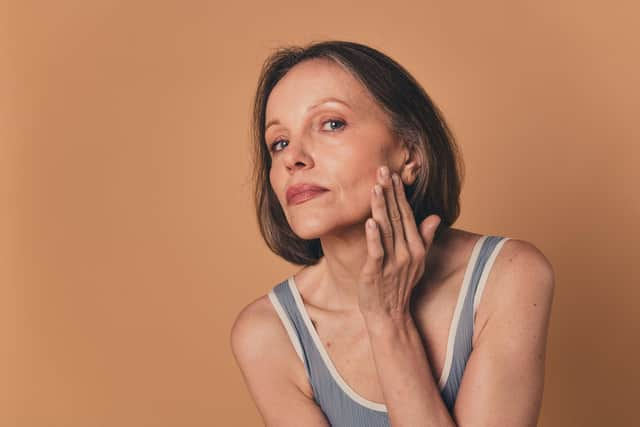
One of the most visible effects of smoking is premature ageing. Nicotine and other toxins in cigarettes narrow the blood vessels, reducing blood flow and depriving the skin of oxygen and essential nutrients. This leads to a dull, suffocating complexion and hinders the skin’s ability to repair itself. Collagen and elastin, the proteins responsible for keeping the skin firm and supple, also break down more quickly in smokers. As a result, fine lines and wrinkles, particularly around the mouth and eyes appear earlier and become more pronounced.
Smoking also contributes to uneven skin tone and delayed wound healing. Cuts, grazes and even surgical scars may take longer to repair because of the restricted blood supply and reduced oxygen levels in the skin. In addition, smokers are more prone to infections following skin injuries, which can lead to complications and scarring.
Certain dermatological conditions are also more common among smokers. Research has shown a strong link between smoking and psoriasis, a chronic skin disorder that causes red, scaly patches. Smoking may also aggravate conditions such as eczema and hidradenitis suppurativa, an inflammatory disease that results in painful lumps under the skin. Also, the reduced immune response caused by smoking can make the skin more vulnerable to bacterial and fungal infections.

Another serious concern is the increased risk of skin cancer. While ultraviolet (UV) exposure is the primary cause, smoking compounds the danger by weakening the immune system and impairing the skin’s ability to defend itself against harmful DNA changes. Studies have found that smokers have a higher likelihood of developing squamous cell carcinoma, a common type of skin cancer.
The good news is that many of these effects can improve once a person stops smoking. Circulation begins to recover within weeks, helping the skin regain a healthier appearance. Over time, collagen production may also improve, softening fine lines and restoring some elasticity. Quitting smoking is therefore one of the most effective steps you can take not only for your general health but also for maintaining healthier skin.
If you are worried about the condition of your skin, or are experiencing any dermatological concerns, our team at Novus Health is here to help. We offer access to experienced dermatologists who can provide specialist assessment, advice, and treatment tailored to your needs. Speak with your GP about a referral to Novus Health and take the first step towards healthier skin with expert support you can trust.