
Plan to convert former Wakefield shop could harm city centre’s character
Planning permission to convert the upstairs of a former Wakefield shop in a listed building has been refused over concerns it would harm the city’s historic character.
The applicant was looking for listed building consent for the demolition of an existing roof structure to construct a first floor extension that would accommodate a one-bedroomed residential unit at the former Wild Lux shop on The Springs.
The proposed residential unit would have comprised an open plan kitchen and living room, a bedroom and a bathroom.
It would have included the demolition of a historic gable.
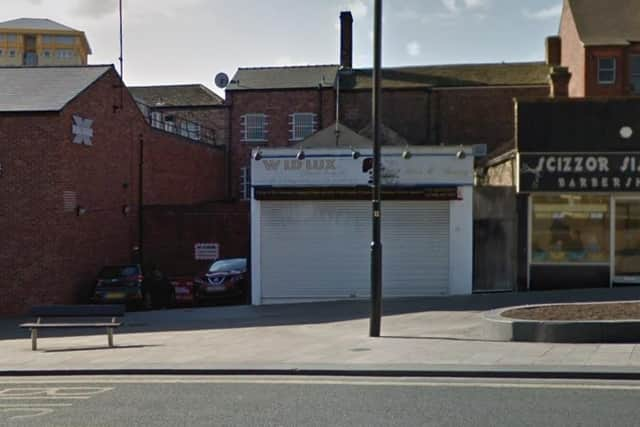

A heritage statement supplied on behalf of the applicant said: “The proposal aims to enhance the existing property by adopting a timber facade and fascia signage at ground floor level.
"The proposal will increase the height of the building by approximately 2m but will be formed of reclaimed bricks, slate roof tiles and tie in with the vernacular of the conservation area.
"The rear elevation of the first floor extension will be offset from the existing gable wall of the Grade II listed 13 Kirkgate as to save any disturbance to the listed building.”
Wakefield Council’s conservation team said the application “does not acknowledge the historic significance or connection to the listed building” at 13 Kirkgate.
It said: “No justification has also been provided for the demolition of the historic gable.
"These plots have for the most part been lost in the conservation area, so retaining them is a valuable priority for the conservation team and for the history of Wakefield.
"The heritage statement primarily focused on the appearance of the shopfront and enhancing that, rather than acknowledging the historic building and justifying the demolition of the gable extension.
"It had already been noted in the appraisal these buildings do not positively contribute architecturally, so continuing to use these features in design is contrary to aims of protecting the special interest of the listed building.”
Planning officers refused the plan and said the applicant had “failed to submit sufficient information to provide a clear and convincing justification for the loss of historic fabric and no public benefit has been identified that would outweigh the harm to the listed building arising from the loss.”