
Dr's Casebook with Dr Keith Souter: As Autumn nights draw in it is worth including onions, leeks and garlic in your diet
The autumnal equinox has just come and gone. It is an interesting time of year, because it marks the beginning of autumn.
The word actually means ‘equal night’ and since ancient times people have been marking it and celebrating it. It also always has a special meaning for me personally, as it is the exact date on which I started writing this column forty-four years ago. That sort of makes me feel ancient!
I am always interested in nutritional research, since the food we eat is so important to health. Everyone is aware by now that we should be eating at least five a day portions of fruit and vegetables. Research shows that regularly eating onions, leeks and garlic can substantially lower the risk of bowel cancer. This adds to their other significant benefits.
All of the Allium vegetables have significant health benefits. A high intake of Allium vegetables has been shown to reduce total cholesterol and LDL, or ‘bad’ cholesterol levels, while at the same time raising HDL, or ‘good’ cholesterol levels.
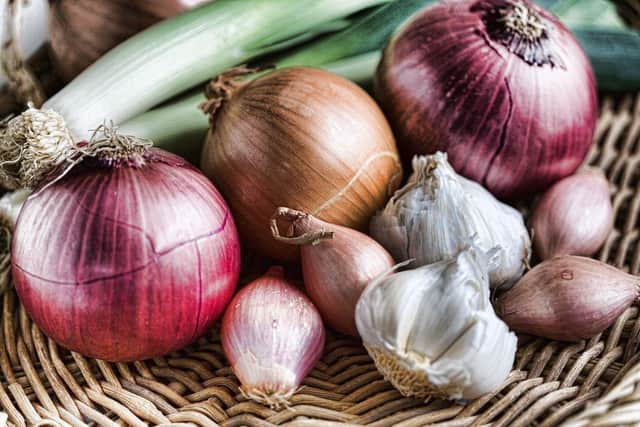

In addition, eating Allium vegetables two or more times a week, is associated with a reduced risk of prostate and colon cancer. Research suggests that several of the compounds found in these foods, such as ‘Quercetin’, are able to protect colon cells from cancer-causing toxins, while also stopping the growth and spread of any cancer cells that do happen to develop.
Another interesting piece of research looked at diet and general health in over sixty-five thousand nurses between 1984 and 2002. It found that women who had the highest intake of a bioflavanoid called ‘kaempferol’, which leeks are rich in, had a forty per cent reduction in risk of ovarian cancer.
A retrospective study from China also looked at diet and bowel cancer. Over eight hundred patients with diagnosed colorectal cancer were matched with the same number of healthy controls by age, sex and residence area. Lots of information was collected about lifestyle and diet using a validated food frequency questionnaire.
They found that the odds of having bowel cancer was almost eighty per cent lower in adults who consumed high amounts of allium vegetables compared to those who ate the least. They emphasised that there was a definite trend, the risk lowering as the amount of alliums taken increased.