
Sustainable jewellery: A beautiful lie or the future of fashion?
The term "sustainable" is increasingly dominating the world of fashion, but in the jewellery industry, is it a genuine movement—or just another marketing gimmick? While major brands tout their eco-friendly practices, the true cost of sustainability often falls on the shoulders of small, independent artisans who find themselves struggling to compete.
In a global jewellery market where sustainability is being hailed as the next big thing, small businesses are questioning whether it’s actually achievable. For many local jewellers in Yorkshire, the price of ethical practices—such as sourcing sustainable materials and reducing environmental impact—is simply too high.
Ellie, founder of Liminally Jewellery, shares her perspective on the challenges smaller jewellery brands face. “It’s encouraging to see the industry becoming more eco-conscious, but for most small businesses, ‘sustainability’ isn’t always financially sustainable. The costs of ethically sourcing materials and minimising our environmental footprint are significant, and it’s difficult to compete with larger companies that can afford to make sustainability a selling point.”
In an era where sustainable jewellery is fast becoming a marketing tool for big brands, smaller artisans are left behind, unable to afford the certification processes and ethical practices that consumers are increasingly demanding. “Sustainability is an important goal, but it has to be realistic,” Ellie continues. “For small businesses like ours, it's about finding a balance—creating meaningful jewellery while minimising our impact, even if we don’t always tick every eco-friendly box.”
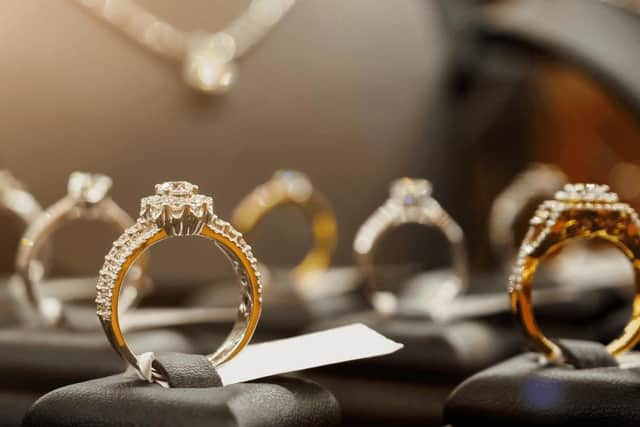

While many global companies can afford to make bold sustainability claims, smaller jewellers in Yorkshire often struggle to meet these expectations. The global rush towards eco-consciousness can sometimes feel like a double-edged sword for independent artisans. Instead of benefiting from the trend, they are often faced with rising costs and limited resources.
That said, brands like Liminally show that you don’t need a certification to create meaningful, lasting jewellery. “Our pieces are about more than just sustainability—they’re about celebrating life’s transitions. We craft our jewellery with purpose, not only in terms of materials but in the stories they represent. It’s about mindful craftsmanship, even if we can’t always label ourselves as 100% sustainable,” Ellie explains.
The conversation around sustainable fashion isn’t going away, but it’s crucial to ask what the term truly means—especially for smaller businesses. While large corporations may turn sustainability into a convenient marketing tool, for independent jewellers in Yorkshire, it’s about creating balance: staying true to their craft, ensuring ethical practices where possible, and surviving in a highly competitive market.
As consumers, it’s essential to look beyond the glossy labels and ask ourselves: Are we supporting true sustainability, or simply buying into a brand narrative? The future of sustainable jewellery may depend on us recognising the differences between bold marketing and genuine intention—and making choices that reflect that understanding.