
Wakefield woman, 24, who discovered she has a rare heart condition because of her smart watch, tackles three peaks
A woman from Wakefield who discovered she has a rare heart condition because of her smart watch, has walked the 10 highest peaks in the Lake District to raise money for the British Heart Foundation.
Poppy McDermott, 24, is being treated for arrhythmogenic cardiomyopathy (ACM) after noticing her heart rate was unusually high after working out at the gym.
Poppy said: “I didn’t think a lot of it at first as I felt fine. However, after a couple of other gym sessions I noticed the same thing, despite not working out intensely.
“I swapped smart watches with a friend as I thought mine might not be working properly, but the reading was the same. That’s when I thought I need to get this looked at.”


After seeing a cardiologist, Poppy underwent a slew of tests which led doctors to conclude that she had ACM, a condition can cause the walls of the heart to become weak and trigger abnormal – potentially life-threatening - heart rhythms.
At the time, Poppy was studying at Nottingham Trent University where she played for their netball and hockey teams.
Because of her diagnosis, she was advised to stop playing competitive sport due to the risk to her health.
“It’s hard to describe my feelings on the day I was told,” she said.
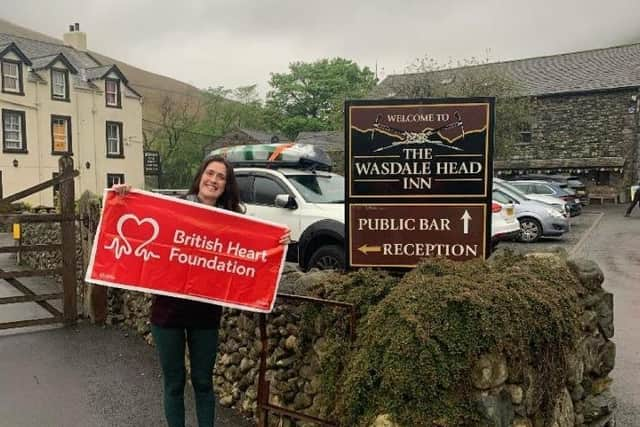
“It changed my whole outlook on life. Sport had always been a big part of my life. I’d played hockey to a high level, and I’d once had an ambition to become a professional player.
“Now, I was faced with making huge changes to my lifestyle. I had to come to terms with my new physical limits. My parents were also very concerned about me. They wanted to wrap me up in cotton wool. It was a huge adjustment for me, but also my family.”
Poppy, who works for an environmental consultancy, now takes beta blockers to help control her heart rate and will have her heart monitored throughout her life. However, despite the life-changing news, she has resolved to see the positives.
“There’s no point being in denial. My mindset is about making the best of the situation. In a way, I’ve been very lucky. AVC can be a life-threatening condition. Some people never find out before it’s too late.”
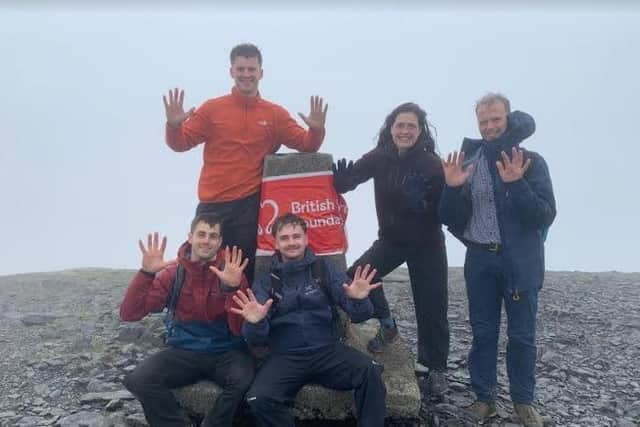
Grateful for the care and treatment she has received, she decided to organise a fundraiser for the British Heart Foundation (BHF).
She recruited 14 friends and family to spend two days walking a total of 40 miles across 10 of the highest peaks in the Lake District helping to raise more than £3,900 for the charity.
“I wanted to help stop people’s lives being impacted by this condition. I’m not able to do a marathon, but organising this hiking challenge was a small thing I could do to further the research into finding a cure,” she said.
Becky Beevers, Fundraising Manager at BHF, said: “It is very moving to hear how ACM has affected Poppy and how that experience has motivated her to support our work.
“The progress that we’ve made towards finding a cure for conditions like this has only been possible thanks to the incredible efforts of people like Poppy who enable us to fund these crucial research projects.”