
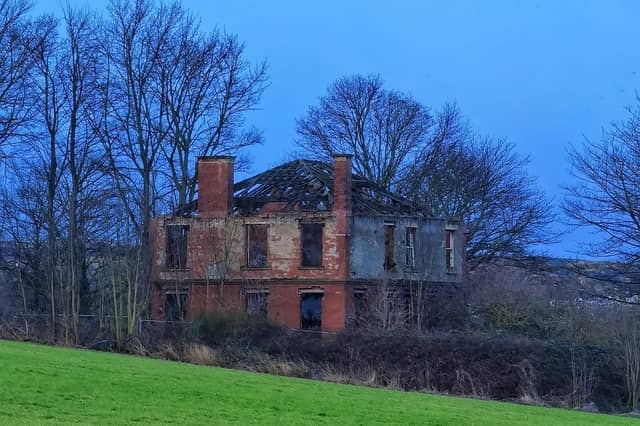

Newland Estate lies in the valley of the River Calder between Alfofts and Stanley Ferry, ten miles outside of Normanton, and is one of the very few estates in the area that can be traced back through documents which have survived and span 900 years.
Occupation of the site dates back at least to the Bronze Age, and is believed to have been the site of a Roman villa or camp.
The estate was established in 1213 by King John of England and belonged to a community of three Knights Templar up to 1256, when it was transferred to a similar organisation called the Knights Hospitallers.
The estate was later held by the Levett family, and William Levett, who was lord of the manor, was admitted tenant of the Knights Hospitallers on October 2, 1447.
The property belonging to the Hospitallers was eventually dissolved by King Henry VIII who bestowed the property upon himself in 1544.
Over a century later, in 1694, the estate was bought by the Silvester family and Newland Hall was built around 1740, replacing a more modest farmhouse.
The hall had 54 rooms and was one of the grandest buildings in the area.
In 1974, the once ancient independent township was taken into the newly formed Wakefield Metropolitan District Council.
In more recent times, a census recorded a population of 78 inhabitants in the year of 1861, dropping down to 41 by 1931 and down to 9 people in 1971. Since then population has been zero.
By this time the area had been deserted, and over the next 25 years saw much of its history ransacked by owners who wanted to turn the site into a tip.
Thankfully this was stopped by local campaigner Paul Dainton, who was successful in leading a 3,000 strong protest across the estate.
Today, only the hall, the coach house and ruins remain.
In recent times part of the estate has been used for events such as concerts and field sports.
Take a look inside the ruins of Newland Hall Estate through these 21 photos, taken by the esteemed urban explorer Lost Places & Forgotten Faces.
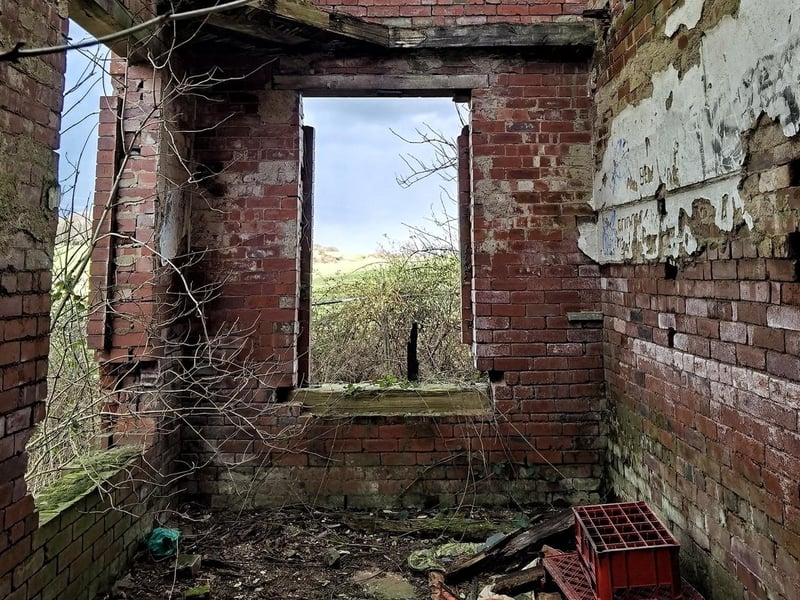
9. Standing tall
The hall had 54 rooms and was one of the grandest buildings in the area. Photo: Lost Places & Forgotten Faces
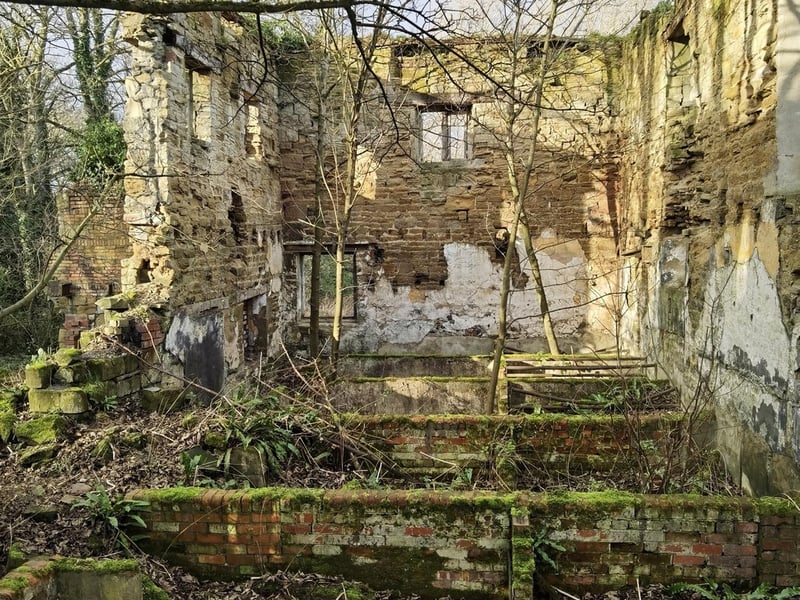
10. Population census of Newland Estate
In more recent times, a population census recorded a polulation of 78 inhabitants in the year of 1861, dropping down to 41 by 1931 and down to 9 people in 1971. Photo: Lost Places & Forgotten Faces
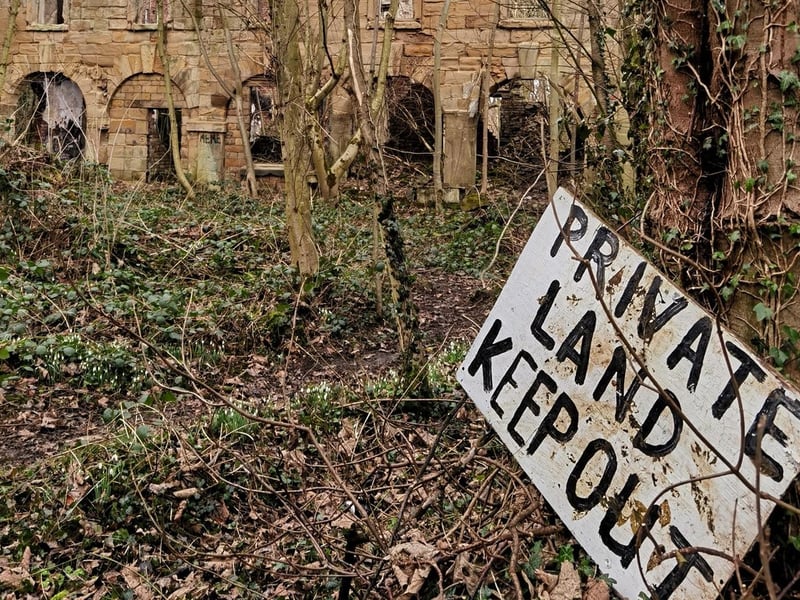
11. Newland Hall Estate history
In 1926 the Estate was bought by The Warmfield Company Limited who ran the nearby brickworks up to the 1950s. The stable block of the Hall was lived in up to 1959 by a Mrs Gill of Heath House, who came to live there in 1920 with her husband, Manager of the nearby Saint Johns Colliery. Photo: Lost Places & Forgotten Faces
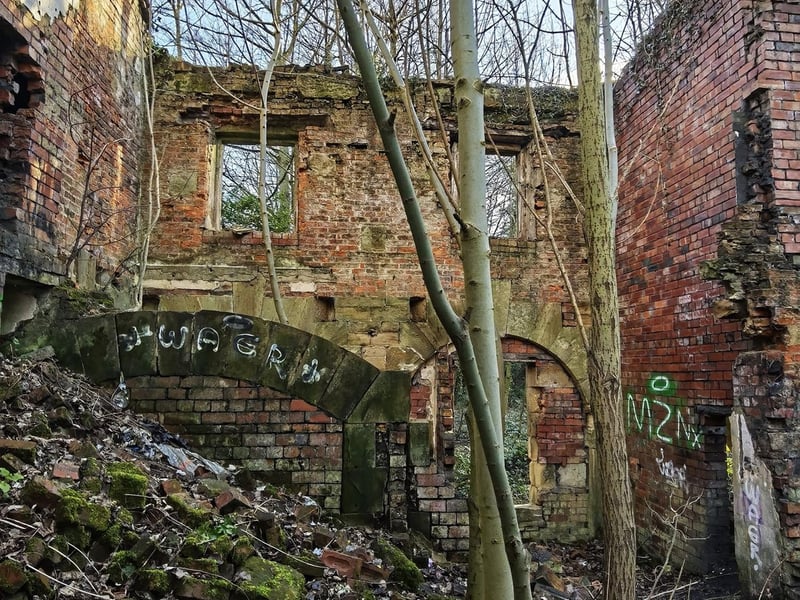
12. Beginning of the end
In 1974 the once ancient independent township was taken into the newly formed Wakefield Metropolitan District Council. Photo: Lost Places & Forgotten Faces