
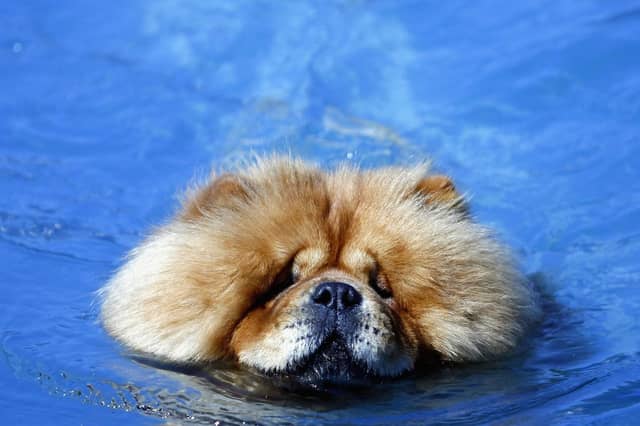

Whether you’re heading to a dog-friendly pool, a local river, lake or even the beach, the water can provide hours of fun for you and your furry friend. However, it can be a dangerous experience if you’re unprepared.
Depending on the breed of your dog, they might be a natural in water, but if not, swimming could be more challenging for them. If you are considering taking your dog for a dip, the team at tails.com have provided their top tips to ensure you and fido stay safe in waters of all kinds.
Practise safety first
Never leave your dog unattended near water. If your dog has access to a swimming pool at home or while you are on holiday, make sure there is a safety cover or fence. You will also need steps or a ramp that your dogs can easily use to climb in and out of the pool.
When visiting your local beach or lake, it's important to teach your dog when it is safe to go into the water and return on cue. You can teach them the basic commands of “stay”, “wait” and “go” so they know when they are allowed to swim.
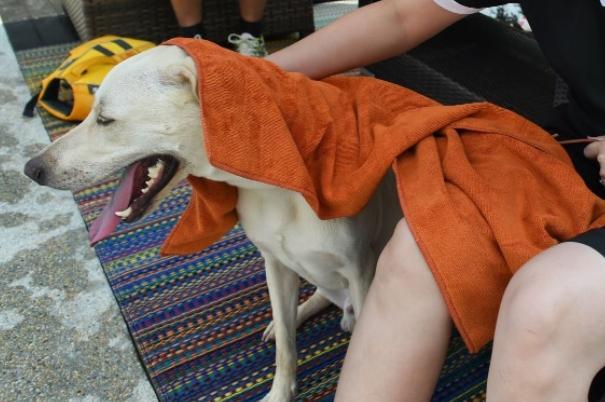
5. Clean your dog after they take a dip
Dogs should be bathed after going for a swim, to protect their skin and coat. Swimming pools often contain high levels of chlorine, which drys out the dog's fur and skin as it removes the natural oils. This can make its coat more prone to knotting and also make their skin itchy. When taking a dip in the ocean, lake or river, washing your dog after will help remove any bacteria that collects on their fur and skin. If these toxins aren’t removed from your dog's skin, they can be ingested when they groom themselves.
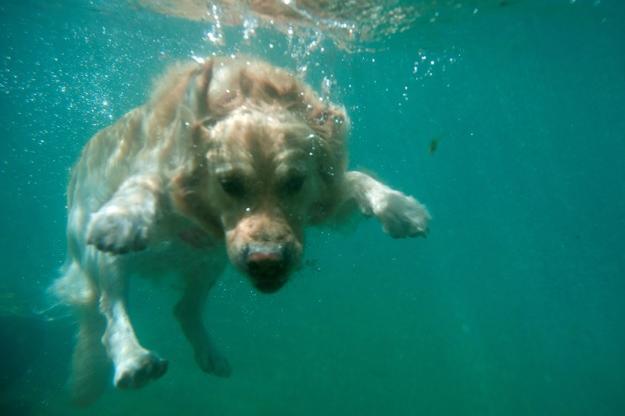
6. Practise safety first
Never leave your dog unattended near water. If your dog has access to a swimming pool at home or while you are on holiday, make sure there is a safety cover or fence. You will also need steps or a ramp that your dogs can easily use to climb in and out of the pool. When visiting your local beach or lake, it's important to teach your dog when it is safe to go into the water and return on cue. You can teach them the basic commands of “stay”, “wait” and “go” so they know when they are allowed to swim.