
Christopher Farrow: Shoe fetish murderer's less secure prison move rejected
A recommendation to transfer a man who raped and murdered a woman in her Wakefield home to an open prison has been rejected.
Justice Secretary Shabana Mahmood turned down the Parole Board proposal to move Christopher Farrow to less secure jail conditions.
Shoe fetishist Farrow forced his way into Wendy Speakes’ home in Balne Lane, Wakefield, in March 1994 before stabbing her to death.
Farrow, from Cookridge, Leeds, was given a life sentence with a minimum tariff of 18 years in 2000.
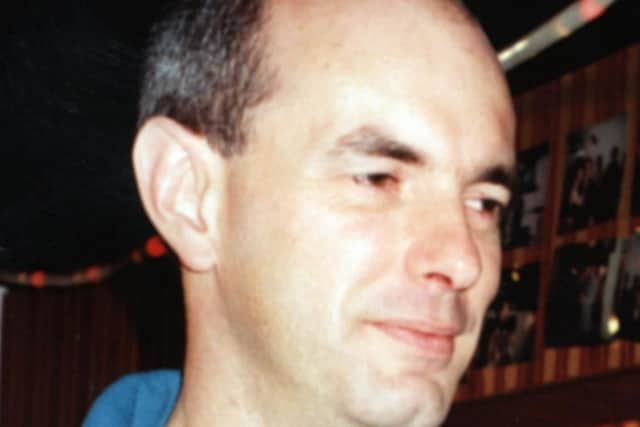

A Parole Board report, published last month, said Farrow should not be freed but should move to an open prison - the least secure jail category.
Ms Mahmood was required to make the final decision whether to accept the recommendation.
A Ministry of Justice spokesperson said: “Wendy Speakes’ murder was a horrific crime and our thoughts remain with her friends and family.
“Public protection is our number one priority which is why we have blocked Christopher Farrow’s transfer to open prison.”
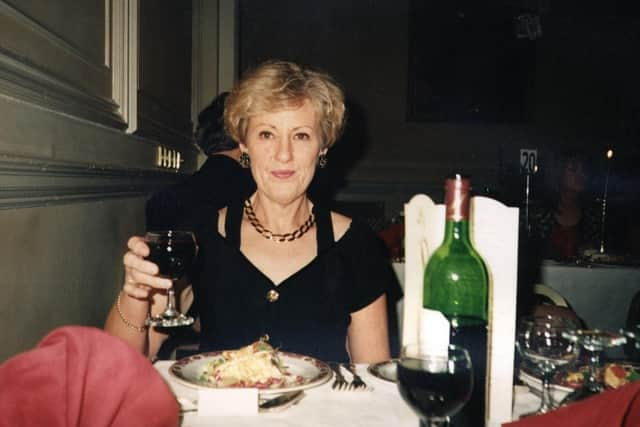
Mrs Speakes’ daughter Trecey Millington-Jones said: “It is reassuring that victims are being heard and put first.
“The fact we victims should not have to go through this every two years is another concern which needs to be heard.
“But for now, I am very grateful that women will be safe from Chrisopher Farrow.”
Ms Millington-Jones thanked Ms Mahmood, her MP Sir John Whittingdale and the media for supporting her campaign to keep Farrow in prison.
She added: “Justice should be served for the pre-meditated horrific murder of my innocent lovely mum.”
Ms Millington-Jones previously said she was “shocked and appalled” by the proposal.
In a letter to Ms Mahmood, she said: “He harbours a deeply-rooted hatred of women and has exhibited violent urges to kill when experiencing anger or difficulties in relationships.”
Farrow, now aged 63, has spent almost 25 years in prison since being sentenced.
He has been denied release on four occasions.
He was moved to an open prison in 2018 when his minimum term ended but was returned to a closed jail the next year.
A Parole Board decision summary published in March said Farrow had completed “extensive” work in custody but only recent work had allowed professionals to say he showed insight into his offending.