
“It’s just been prolific”: Nostell reports scores of pumpkins destroyed as it prepares for Halloween as slugs descend on National Trust sites across the country
Nostell’s pumpkin harvest is one of several at National Trust sites to be targeted following a bumper year for slugs, but says its Halloween events will still go ahead.
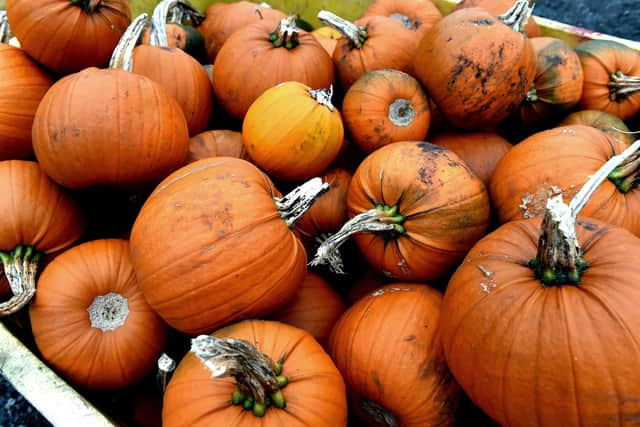
Nostell’s harvest of pumpkins and squashes from its kitchen garden, normally producing between 75 and 140, was reduced to around 25 this year as the team battled with slugs who destroyed much of the crop.
Paul Dibb, Garden and Outdoors Manager at Nostell, said: “It’s just been prolific.”
A number of National Trust sites reported being plagued by slugs this year, pointing towards the weather conditions as the cause of the problem, creating an ideal climate for slugs to grow and breed.

“We had a wet and cold spring. That wet weather generally eases off but it continued into summer.
“It’s been relentless right through.
“I didn’t think we would get any pumpkins this year at all,” Paul added.
Some of Nostell’s pumpkins, however, did survive, and were largely the Howden and Connecticut Field types – the more traditional Halloween pumpkins. Paul said this is due to those pumpkin types having thicker flesh and tougher vines which were able to withstand the slugs’ attacks.

The National Trust site, home to a Georgian house and 300 acres of gardens and parkland, uses its pumpkins for display purposes as well as in Halloween events such as their pumpkin trail.
Although there will be a smaller display of pumpkins this year, Paul said the site’s Halloween events will still go ahead.
To reduce the risk of the pumpkins and squashes being targeted next year, Paul said the team plans to use a mineral based straw mulch as a protective measure.
The problems this year’s weather caused were two-fold, as not only were slugs able to thrive and breed, but the wet and cold September stunted the plants’ growth and led to them having to be harvested early. The National Trust reported issues with slugs across several of its sites this year, including Kingston Lacy in Dorset which had half of its pumpkin crop destroyed and which had to harvest its produce a month early.