
Yorkshire Water given green light for wetland to reduce sewage discharges
Yorkshire Water has been granted permission to build a wetland to reduce the amount of sewage discharged into a West Yorkshire beck.
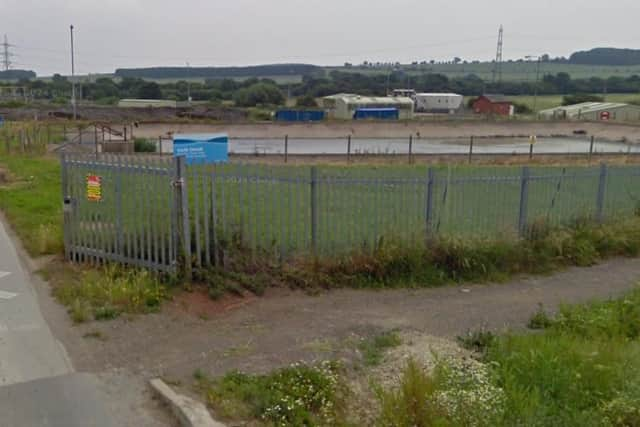
Wakefield Council approved the scheme planned for South Elmsall water treatment works.
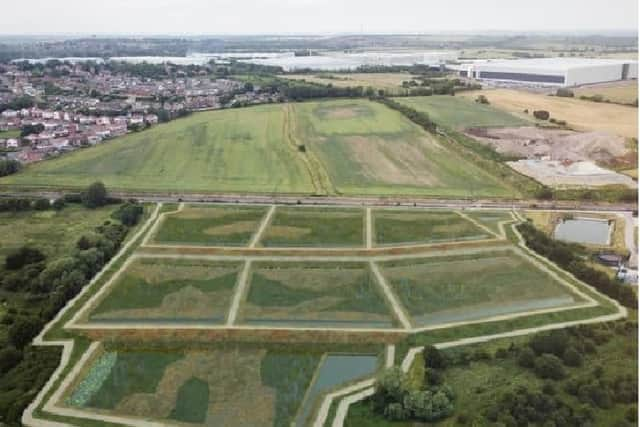

The company said the work would help to reduce its controversial storm overflow discharges into Frickley Beck, a tributary of the River Don.
The wetland is designed to treat storm flows during heavy and prolonged rainfall.
Interconnected ponds will be created across an area the size of five football pitches.
More than 220,000 plants will treat the storm water as it travels downhill through the wetland, taking in and breaking down pollutants and nutrients.
It is hoped the wetland would also increase biodiversity, attracting wildlife such as bees, breeding birds, amphibians and reptiles.
The project is expected to take up to 18 months to complete and involves the use of a temporary access track to the site from Doncaster Road.
Seven people objected to the scheme, citing concerns over traffic safety, noise, dust pollution and the close proximity of the development to homes on Caddon Avenue.
The council said residents’ concerns could be addressed by imposing conditions on the approved application..
A planning officer’s report said: “The proposed development will bring about improvements to the operation of the existing wastewater treatment facility and by doing so deliver onsite biodiversity net gain with the creation of the wetland.”
Original plans for the development were redrawn after the Environment Agency said it was concerned about flooding.
When the scheme was unveiled in January, Simon Hudson, the lead project manager, said it would “provide a range of benefits” for the local environment.
Mr Hudson said: “These wetlands provide a range of benefits not only the way we treat waste water, but also for the local environment.
“We want to naturally treat the storm water at South Elmsall, reducing the reliance of energy-heavy treatment processes, providing a sustainable way to remove pollutants and reducing storm overflows into the beck, while creating wildlife diversity and achieving a biodiversity net gain.”
There has been increasing public anger at the levels of sewage being discharged into England’s rivers and seas.
In May last year, Yorkshire Water chief executive Nicola Shaw apologised to customers for discharges into the region’s rivers.
In a letter to every household, she said the company would invest £180m in reducing sewage leaks from storm overflows.