
Dr's Casebook column with Dr Keith Souter: Good enough for Nero - leeks are really good for you
After a recent conversation in which I extolled the healthy benefits of onions and leeks I was given a basket of fresh produce by a neighbour who is a keen gardener.
Both vegetables are worth eating regularly over the autumn and winter, since they are an excellent source of vitamins, minerals and anti-oxidants. Not only that, but there is some evidence that they can reduce the risk of several diseases including some types of cancer.


Interesting history
Leeks have a long and rich history as healthy foods. They are thought to be native to Central Asia, and they have been cultivated there and across Europe for thousands of years. The physicians of Ancient Greece and Rome revered them for their beneficial effect upon the throat and the Roman emperor Nero supposedly ate leeks every day to make his voice stronger. It is said that he was nicknamed Porophagus, meaning ‘leek-eater.’
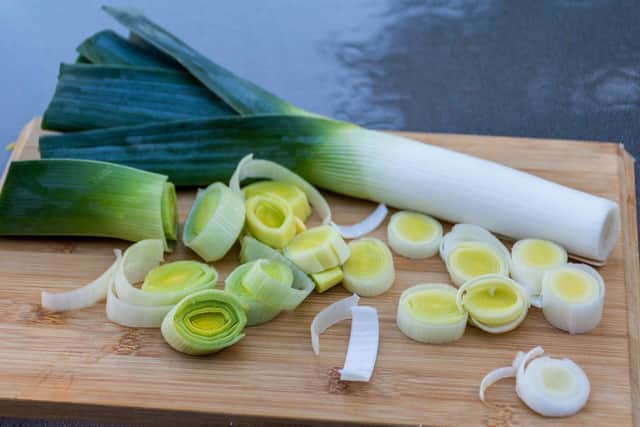
The Romans are thought to have introduced leeks to the United Kingdom, where they were able to flourish because they could withstand cold weather. It was the original health food, high in fibre, which was advocated for purging the blood, keeping colds at bay and healing wounds.
Interestingly, the leek was adopted as a national symbol of Wales, apparently dating from the Battle of Heathfield in 633 AD where the Welsh combatants distinguished themselves from their Saxon opponents by pinning leeks to their headgear.
Healthy vegetable with many benefits
The scientific name for the leek is Allium porrum. It is related to garlic, and to onions, shallots and scallions. Indeed, all of the Allium vegetables have significant health benefits. A high intake of Allium vegetables has been shown to reduce total cholesterol and LDL, or ‘bad’ cholesterol levels, while at the same time raising HDL, or ‘good’ cholesterol levels. Allium vegetables have also been shown to lower high blood pressure, another risk factor for heart attack and stroke.
In addition, eating Allium vegetables, as little as two or more times a week, is associated with a reduced risk of prostate and colon cancer. Research suggests that several of the compounds found in these foods, such as ‘Quercetin’, are able to protect colon cells from cancer-causing toxins, while also stopping the growth and spread of any cancer cells that do happen to develop.
Another interesting piece of research looked at diet and general health in over 65,000 nurses between 1984 and 2002. It found that women who had the highest intake of a bioflavanoid called ‘kaempferol’, which leeks are rich in, had a 40 per cent reduction in risk of ovarian cancer. So, think about adding leeks and onions to your diet this autumn and winter.