
Dr's Casebook column with Dr Keith Souter: Tasty artisan cheese may be good for your gut
One of the things I love about the autumn is that there are so many good programmes on television. A lot of them have a feelgood factor about them. The Great British Bake Off is one of my favourites, because it appeals to me as a bread maker myself. I also now and then make my own cheese.
The science of baking and of cheesemaking both fascinate me. As a doctor I am also interested in how these foods fit into a healthy diet.
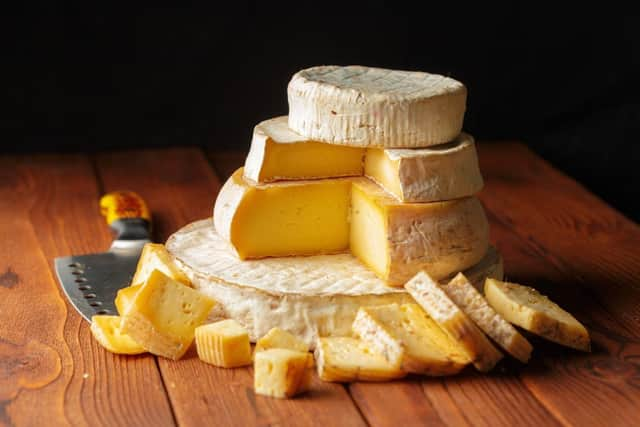

The microbiome is one of the most important features of modern medicine. A good balance of microflora can protect against so many conditions. This is why a recent piece of research from the University of Reading about how the bacteria that make cheese so tasty and can potentially help your gut piqued my interest.
Maturing cheese
By studying three artisan cheeses as they matured, the scientists found that certain microbes that give these cheeses their distinctive taste and smell actually produce compounds that can reduce inflammation, help cholesterol regulation and control appetite.
In particular they looked at a soft white rind cheese aged for a little more than a week, a washed rind semi-soft cheese that matures over several weeks, and a semi-hard cheese that was aged in hay for about nine months.
Samples were taken of the cheeses at numerous times over the maturation process. These were analysed to identify their bacteria in them and also the chemical composition. They found that all three cheeses contained bacteria with probiotic potential. This means that they help the good microflora in the gut.
All three cheeses contained bacteria with recognized probiotic potential, meaning they may help support populations of beneficial microbes in the gut. For example, Streptococcus thermophilus, which is commonly used as a yogurt starter, was present throughout the maturation process in the semi-soft and harder cheeses.
The rind also had potential benefit
The washed rind cheese and hay-aged cheese also contained a bacterium called Propionibacterium freudenreichii. This bacterium produces propionic acid, a compound associated with anti-inflammatory properties, and ability to reduce cholesterol.
The hay-aging process used in maturing the semi-hard cheese had a surprising effect. Once the cheese was fully mature it was found to have four times as many beneficial bacterial species as it did early in the maturation.
Further work is needed
This is a fascinating piece of work, but more research needs to be done. It shows that there are potential benefits from artisan cheese, but it would be interesting to see exactly how these bacterial populations behave once the cheeses have been eaten and are digested. In other words, how they affect the balance of the microbiome and whether the potential benefit equates with actual health benefit.