
Dr's Casebook column with Dr Keith Souter: Use an Ancient Greek classic to curb a modern unhealthy habit
This month’s movie blockbuster The Odyssey is due for release on July 17. It is directed by Christopher Nolan and has a star-studded cast including Matt Damon, Anne Hathaway and Tom Holland.
This classic of the ancient world was written by the Greek poet Homer and is a sequel to The Iliad. It tells the story of Odysseus’s ten-year journey to return to Penelope his wife. Within it there is a useful psychological method that can be used to break unhealthy habits.
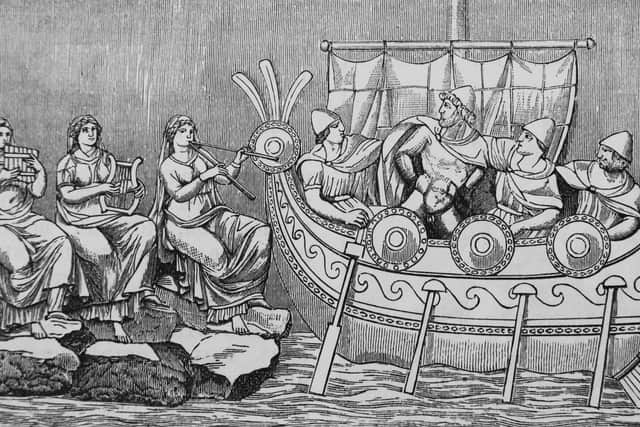

The myth is that Odysseus had to sail past the Island of the Sirens. They were beautiful mythical creatures whose singing lured passing sailors onto dangerous rocks. No man had ever heard their song and survived. Odysseus was told by Circe, an enchantress, that the Sirens could give precious knowledge of the future, but it could drive him senseless. No man could resist their temptation. Odysseus prepares for this by telling his crew to bind him to the mast and to put beeswax in their ears so they could not hear. He tells them that they must ignore his frantic pleas to release him and to simply row until they are beyond the island and the temptations offered by them.
The Greek myths were absorbed by the Romans, who called Odysseus, Ulysses. Psychologists have referenced this and called this process to beat a habit a Ulysses Pact. Effectively, each element of the ancient Greek myth represents a specific psychological force within one’s mind.

Ulysses represents your calm, rational self when you can make plans for the future.
The Sirens represent your short-term desires, immediate gratification, and emotional triggers. This includes the ping of a notification on your phone, the smell of fast food, the smell of tobacco, or the urge to procrastinate.
Your willpower gets strained and overcome by temptation.
The Crew is the means of carrying out your plan. The crew do not negotiate, feel tempted, or change their minds, because they have had their ears blocked to the lure of the Sirens.
So, choose an unhealthy habit you want to curb. Let’s say easting junk food. First you must design a system that takes the choice out of your hands. When you are tired, stressed, or watching TV late at night, your willpower predictably crashes. Your pact must make healthy eating automatic and junk food impossible to reach.
Next identify your triggers. The thing is that junk food cravings are rarely about actual hunger. Instead, they are usually triggered by environmental cues and routines. For example, the late night screen time when you can find yourself mindlessly eating crisps or chocolate while watching TV or gaming. Another is the mid-afternoon crash, when you are tired and feel in need of a reward. Then the vending machines lure you with the tempting things inside.
Choose your mast, next. That is, establish physical barriers that make it so difficult to succumb to temptation or will cause utter embarrassment if you do. And use your crew by establishing an automated system that comes into place and that you can’t over-ride. For example, prevent yourself ordering late night food with an app blocker on your phone. Or put a financial penalty into place, by locking away a substantial amount of money. Inform your friend or family of the pact that you are not going to eat junk food all week. If you break the pact, they get the money, or you even donate it all to some cause.
Try it with any habit you want to break, like smoking, drinking alcohol or vaping. It worked for Odysseus.