
Dr's Casebook column with Dr Keith Souter: Your gut may hold a link between blood pressure and depression
You may have noticed from a lot of the articles that I post in this column that I keep an eye on research into the microbiome, the microflora that we carry around with us in our gut. Indeed, the study of the gut bacteria is one of the most fascinating areas of modern medical research, which is giving us insight into conditions like hypertension and depression.
This opens up the possibility of whole new targets of treatment in the future for many conditions. Rather than trying to affect the function of organs we may target the bacteria that we carry inside us.


AI may have valuable potential in medical research
Artificial Intelligence is forever in the news these days. A lot of anxiety surrounds it, but the benefits it can give us are becoming clearer in medicine. AI technology undoubtedly has benefits in medical research as the following study demonstrates.
This research on the gut bacteria identified differences between people with high blood pressure compared to those with high blood pressure plus depression. This is a really surprising finding, which could be of major importance.
People are actually 'meta-organisms’, meaning that we are made up of roughly equal numbers of human cells and bacteria. The ecology of the gut bacteria, which we call the microbiome interacts with our bodily physiology and our brains, which may steer some people towards developing high blood pressure and depression. The authors of this recent study suggested that in the future, doctors might target the gut in order to prevent, diagnose and selectively treat different forms of high blood pressure.
In the study the researchers isolated DNA from gut bacteria obtained from over 100 volunteers. They used a new technique involving artificial-intelligence software to analyse the bacteria, which revealed four distinct types of bacterial genes and signature molecules.
Surprisingly, the investigators discovered four unique patterns of signature molecules from people who fell into these groups. Firstly, those with high blood pressure and depression. Secondly, those with high blood pressure, but without depression. Those with depression with healthy blood pressure, and finally people without depression or high blood pressure.
The results suggest different mechanisms of high blood pressure that correlate with signature molecules produced by gut bacteria. These molecules are thought to affect the cardiovascular system, metabolism, hormones and the nervous system.
Depressive hypertension
The researchers suggest that they have uncovered a new form of high blood pressure, which they call 'Depressive Hypertension’. They feel that it is a completely different disease from 'Non-Depressive Hypertension' and that these are different from 'Non-Hypertensive Depression.’ More research is needed, of course, but it raises distinct possibilities for the future.
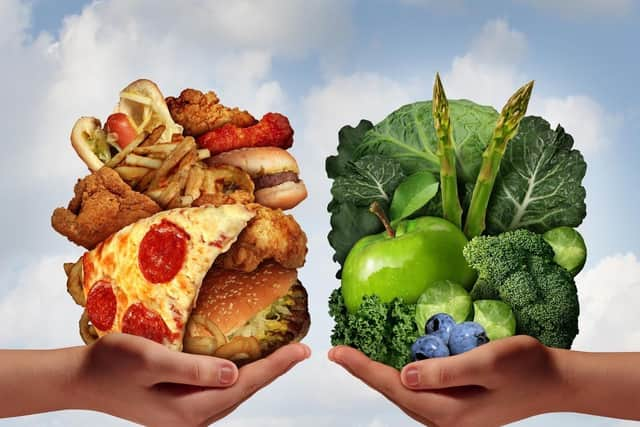
In the meanwhile, if you are prone to depression and if you have high blood pressure, you might consider reducing nutritionally poor junk food, processed food and refined sugars, all of which may worsen mood. And of course, too much salt is a risk for blood pressure. The adverse effect of all of these may effect the bowel microflora.