
Pilgrim's Progress column with Julian Pursehouse: The quiet power of gratitude
In a world that often moves too quickly, gratitude can feel like a small thing. Yet its impact is anything but small.
Psychologists increasingly recognise that practising gratitude strengthens wellbeing, deepens relationships, and helps people navigate uncertainty with resilience.

It is a virtue that crosses cultures and faiths, inviting us to pause, to notice, and to acknowledge that life is shaped not only by our own efforts but also by the generosity of others.Within the Christian tradition, gratitude holds a central place.
The Eucharist — the shared meal at the heart of Christian worship — literally means “thanksgiving.” For many Christians, gathering around bread and wine is a moment to remember and give thanks: for the life of Jesus, for the hope that faith inspires, and for the communities that sustain them.
But the deeper meaning of the Eucharist reaches beyond church walls. It suggests that gratitude is not merely a feeling but a way of living: a posture of openness, humility, and attentiveness to the good that surrounds us.
Gratitude encourages us to look again at the ordinary — a conversation, a meal, a quiet moment, a kind gesture; and to recognise the threads of kindness woven through daily life. It softens the edges of division and reminds us of our shared humanity. In times marked by anxiety or conflict, gratitude can be a gentle but powerful act of resistance, helping us to stay grounded in what is life-giving.
Whether expressed in a religious ritual or in a simple “thank you,” gratitude invites us to live more generously. It reminds us that we flourish not in isolation but in connection — with one another, with our communities, and with the world we share.
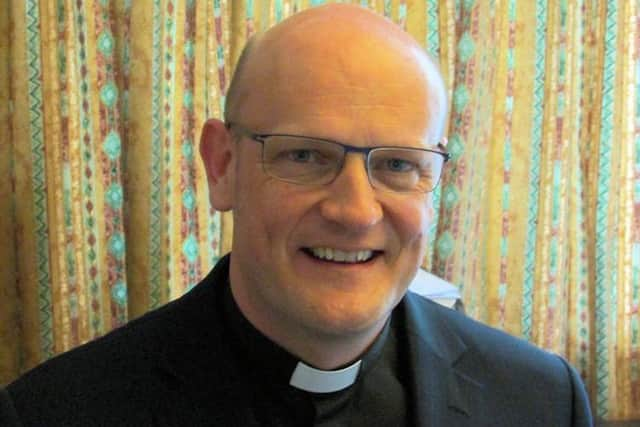
Rev Dr Julian M Pursehouse