
Politically Speaking column with Jon Trickett MP: Remembering our mining legacy
Last year, I stood on the picket line with tour guides at the National Coal Mining Museum, following an industrial dispute that meant underground tours were unable to operate. I was proud to stand with the workers, raise the matter in Parliament and speak at the demonstration in Wakefield city centre.
The museum, if you have been lucky enough to visit, is located in Wakefield but it is outside of my constituency. Throughout the strike, I tried to help UNISON keep the pressure on the management to resolve the matter, but I had a few people asking me why it mattered to me.
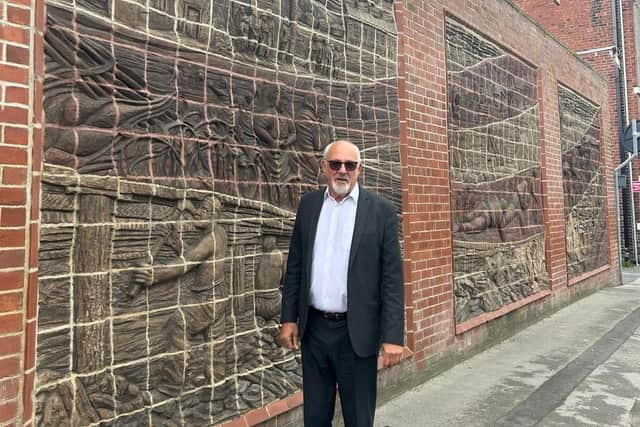

Firstly, several members on strike were in fact my constituents. Many of which had memories of the Miners' Strike 1984/85 and were once again standing shoulder to shoulder on the picket line. They are good, hard-working people who are passionate about our local history being remembered.
A friend of mine had also told me how her granddaughter had been unable to experience an underground tour, due to the strike. It was sad to hear that our younger generation was missing out on hearing from the previous generation about mineworker’s history, through no fault of the tour guides.
As we approach the anniversary of the Featherstone massacre it is even more important to remember the mining legacy of our area.
In 1893, the price of coal had dropped by 35 per cent so mine owners proposed to cut worker’s wages by a quarter. Mining towns were already facing deep poverty across the region, so a quarter reduction in wages would have devastated many local families. The mine owners did not want to accept the loss in their profits, so expected mineworkers to accept a reduction in their wages instead. The miners rightfully did not accept this and made a stand.
Mineworkers were then locked out by mine owners across the West Riding’s 253 pits, totalling 80,000 miners who had stopped work. The lockout began peacefully but word spread that the owner of Ackton Hall Colliery had continued loading and selling coal during the dispute. In response, 2,000 people gathered outside Ackton Hall Colliery on September 7 in protest.
Troops were deployed and the Riot Act was read aloud by lantern light at 8.40pm that night.
Shots were then fired, which resulted in the tragic killings of two local men, James Gibbs, aged 22 and James Duggan, aged 25. Several others were injured, including two men who were wounded by a single bullet while in a colliery yard a quarter of a mile away.
James Gibb’s brother carried him to the local doctor’s surgery, but he passed in the early hours of the following day. James Duggan, married only a few months earlier, also died in the early hours of September 8, from blood loss, despite efforts to transport him to hospital via horse-drawn ambulance.
Although the strike was resolved in November 1893 and miners went back to work, on the agreement that there would be no wage cuts until at least February 1, 1894, the events of the Featherstone Massacre would always be etched into the history of our community.
Without a National Coal Mining Museum, events from the past would go untold, local history would be forgotten and men like James Gibbs and James Duggan deserve to be remembered.
We must use the present to tell stories from the past to create a better future for all.