
Travel column with Katie Butler, Total Travel: Turkey passport rules could catch out holidaymakers and wildfire advice
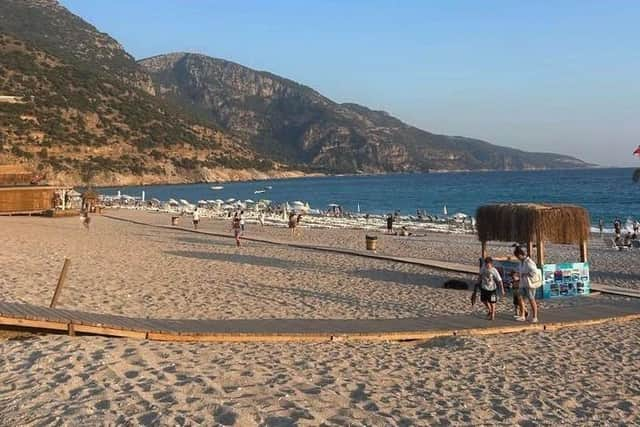
Turkey continues to be one of the most popular holiday destinations with our customers, regularly sitting in our top three booked destinations. With glorious sunshine, fantastic value for money, beautiful beaches and enough history, food and scenery to keep everyone happy, it's not hard to see why.
But there is one important rule that catches plenty of British holidaymakers out. Many people assume passport rules are the same as travelling to Europe but Turkey has different entry requirements.

To enter Turkey, your passport must be valid for at least 150 days from the date you arrive. That's almost five months, so if your passport is due to expire within the next year it is well worth checking before you book. Believe me, we have managed to rescue a few holidays this year when asking for your passport details to check-in.
Turkey also requires at least one completely blank passport page for entry and exit stamps. Immigration officials need space to stamp your passport and airlines will often check before you board because they can face hefty fines if they carry passengers who don't meet the entry requirements.
If you travel several times a year, it's also worth knowing that when renewing you can apply for the larger 54-page "frequent traveller" passport through the passport office, giving you plenty more room for future adventures.
If your passport doesn't meet Turkey's entry rules, you could be refused boarding at the airport or denied entry on arrival. Unfortunately, travel insurance is very unlikely to cover the costs if this happens because it is your responsibility to make sure your documents are valid. It's an expensive mistake that can turn a week in the sunshine into a week at home in the muggy weather with no pool and no cold beer on tap.
Another story making headlines has been the wildfires affecting parts of Crete. Understandably, many people with holidays booked are wondering whether they should cancel. The advice from consumer group Which? is simple – don't rush into cancelling.
The fires have affected parts of the island but many resorts continue to operate as normal and holidaymakers who were temporarily evacuated have been returning to their accommodation.
For anyone travelling in the coming weeks, keep an eye on updates from your tour operator and the Foreign Office, or if booked through ourselves we will of course be in touch should we need to speak with you.
Unless official advice changes, cancelling your holiday yourself could mean losing your money, as travel insurance is unlikely to pay out where there is no official warning against travel. As difficult as it can be, sometimes the best thing to do is sit tight and let your travel provider guide you.
Finally, a quick look at what everyone has been booking over the past week. August remains the most popular departure month, accounting for 19 per cent of bookings, followed by September with 14 per cent and October with ten per cent. Last-minute holidays are proving as popular as ever, making up 41 per cent of all bookings.
Destinations – Tenerife held onto top spot, Majorca came in second and Turkey completed the podium in third place.