
Dr's Casebook, Dr Keith Souter: The Queen Anne eyebrow might suggest a thyroid problem
In years gone-by a doctor was considered to have made a significant contribution to medicine if they were the first to describe a condition or physical sign. Their name would be forever associated with the condition in the medical literature.
One example of this is the sign of Hertoghe, which may indicate hypothyroidism or an underactive thyroid gland. It is more commonly known as Queen Anne’s sign.
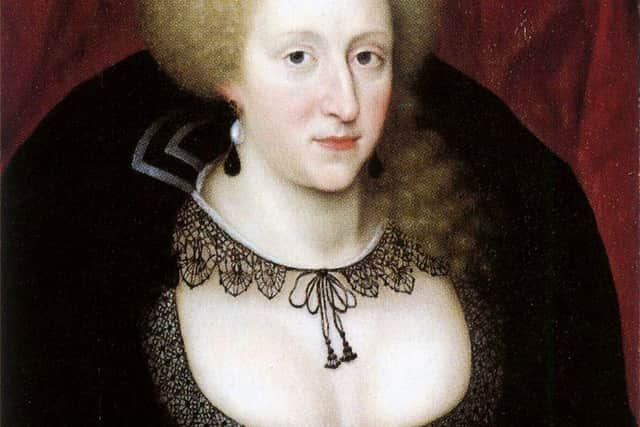
The sign was first described in 1899 by the Belgian physician Eugene Hertoghe (1860-1928), one of the first doctors to do research on the thyroid gland. It is thinning or loss of the outer third of the eyebrows. In a textbook on thyroid disorders written in 1963 it was described as Queen Anne’s sign, in reference to portraits of Queen Anne of Denmark (1574-1619), the wife of King James, the outer third of her eyebrows (the third nearest the ears) do not seem to be present.
This loss of the outer third of the eyebrows is one type of madarosis, the name given to hair loss from the eyelashes and eyebrows. An underactive thyroid is not the only cause, yet if this sign is associated with other underactive thyroid symptoms like fatigue, weight gain, constipation, dry skin, other hair loss, hoarseness, muscle pains, and sensitivity to cold, then it is worth consulting your doctor who may suggest having a blood test to check on the thyroid.

The thyroid gland is a butterfly shaped organ in the front of the neck. It is one of the hormone or endocrine glands, and it produces thyroid hormones that control your metabolism. It is simply treated with tablets that can make a huge difference to your energy and metabolism.
The association with Queen Anne, however, is quite controversial, because there is no good evidence to suggest that Queen Anne of Denmark actually had a problem with her thyroid gland. Indeed, it may simply have been fashion at the time of her portraiture for ladies to trim their eyebrows. For this reason there is a call within the medical profession to remove the Queen Anne name from the sign and leave it as the sign of Hertoghe.
It is, admittedly not a diagnostic sign, but it may be significant. Essentially, if you notice that you have lost eyebrow hair on the outer third on each side, and if you have some of the other symptoms as mentioned above it is worth having it checked.