
Pilgrim's Progress with Philip Hobday - Remembering

Last week my plans were altered abruptly. I was due to visit an old (in both senses!) friend in a care home on Wednesday, but sadly he died on Monday, aged 89.
He had been a real support and a great companion during my first major role as a priest. He was a huge encouragement when I tentatively began to explore post-graduate study, even when I wasn’t sure I could justify the time or cost.
When the first lockdown was announced I wrote to him (he never emailed and rarely used the phone) to check in; he told me pointedly he was cycling to the shops every day and did not consider himself vulnerable – despite being in his 80s, living alone, and being a cancer survivor!
November is a time to remember. At cenotaphs and war memorials we will honour those who served and sacrificed for our country’s freedom, and all who bear the scars of conflict in the world today. In churches, November begins with two commemorations, All Saints and All Souls, times to remember loved ones who have died and to be reminded we are all part of a much bigger company of women and men, living and dead and yet to be born.
For Jews and Christians in particular, remembering doesn’t mean ‘not forgetting’: it’s more purposeful, more active. So we give thanks for those we love and see no longer, and those who died in conflict. We reflect on how we have been blessed by the special people in our lives, and in turn ask ourselves how we might be a blessing to others. And from their company we draw strength because (in a phrase so beloved of our outgoing Bishop’s favourite football team!) we never walk alone.
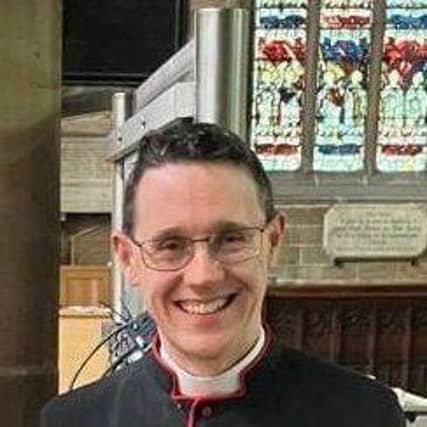
Philip Hobday
Wakefield Cathedral