
Blue plaque to be unveiled in honour of city locomotive builder
A blue plaque honouring a pioneering Wakefield-born industrial locomotive builder is to be unveiled in the city.
Thomas Peckett was born in Wakefield in 1834 and went on to be the founder of Peckett and Sons.
The company manufactured a range of railway vehicles from their works in Bristol for around 80 years, some of which have been popularised in model form by Hornby.
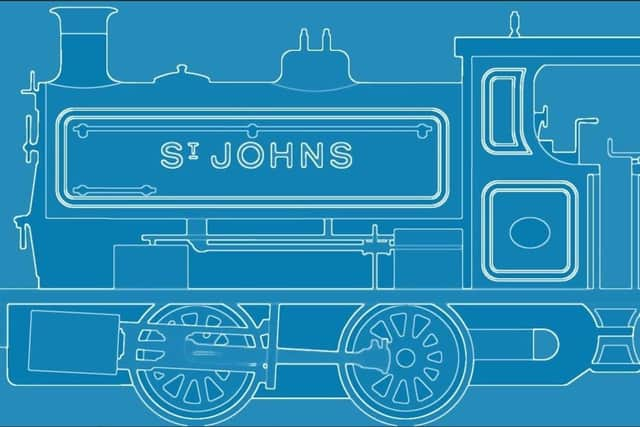
Three Peckett locomotives were used at St John’s Colliery, in Normanton, to transport coal.

The plaque will be unveiled as part of wider celebration of the city’s rail heritage at an event organised by Wakefield Civic Society.
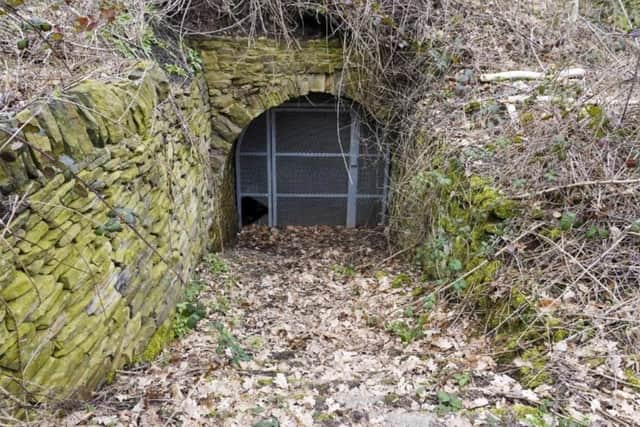
Wakefield is believed to be home to the first public rail road at Stanley and has the oldest surviving railway tunnel and viaduct at Flockton.
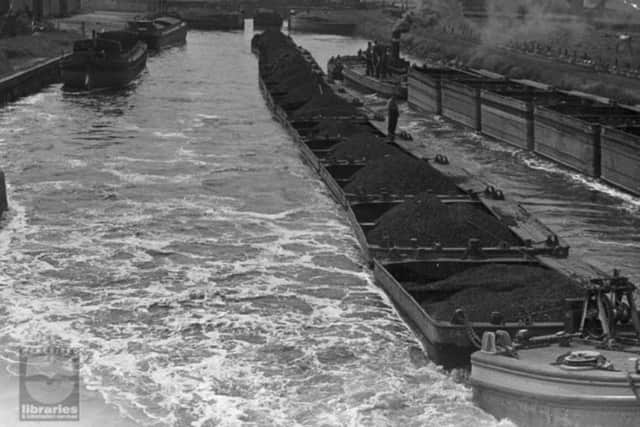
The ‘Tom Puddings’ system of transporting coal was also unique to Wakefield.
Tom Pudding was the name given to the tub boats on the Aire and Calder Navigation used to transfer coal from Stanley Ferry to the port of Goole.
The name is thought to come from their resemblance to a string of black puddings.
Civic Society president Kevin Trickett said: “This is going to be a much bigger event than just a blue plaque unveiling as we come together to celebrate Wakefield’s own unique railway history.”
Peckett was born to parents George Peckett, a millwright, and Annis Peckett.
The 1841 census shows that, aged 7, he was living with his parents and siblings at Garden Street, off Westgate in the centre of Wakefield.
By the time of the 1851 census, the Peckett family had moved to Manchester and Thomas was recorded as an apprentice millwright.
In 1861, then working as a chemist, he was recorded as married to Abigail and having eight children, four girls and four boys.
While still living in Manchester, he had advanced his career to become the manager of a railway waggon works.
Peckett died in 1891, aged 57, leaving his sons to manage the company, which operated until the early 1960s when it was taken over.
The event is registered as part of the Railway 200 programme, a celebration of the bicentenary of the opening of the Stockton and Darlington Railway, on September 27 1825.
Mr Trickett said the plaque, which will later be placed on a property in the Garden Street area, will be unique in the civic society’s collection as it will be the first one depicting a locomotive.
The image, a rendering of a Peckett locomotive used at St John’s Colliery, has been created by local design agency Rhubarb Design House from drawings supplied by Hornby.
Mr Trickett added: “Sadly the original row of houses where the Peckett family lived when Thomas was a child have long since been demolished.”
The unveiling will take place at 7pm at Wakefield Exchange on October 2.