
Blue plaque to honour city’s historic mining machinery firm
Wakefield Civic Society plans to commemorate the history of manufacturing firm British Jeffrey Diamond.
Originally established in Normanton in 1897 as the Diamond Coalcutter Company by Sir William Garforth, the company merged with US-based Jeffrey Manufacturing Company, of Columbus, Ohio, in 1926 to become British Jeffrey Diamond.
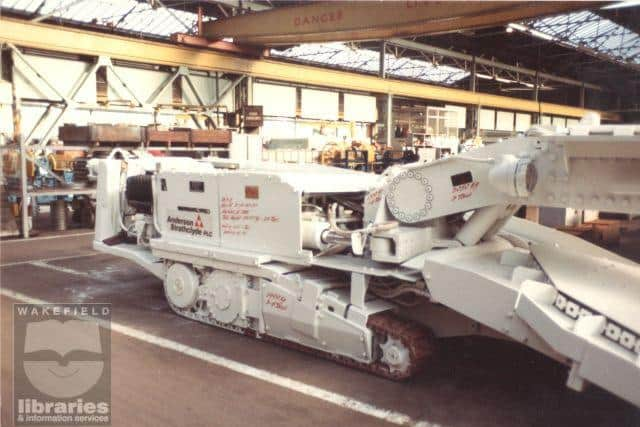
The firm rapidly expanded to produce a range of mining machinery, operating at Stennard Island, on the edge of the city centre, and at a site in Flanshaw from 1902.
The company moved to purpose-built premises on a 27-acre site at Thornes in the 1960s and employed over a thousand staff at its peak.
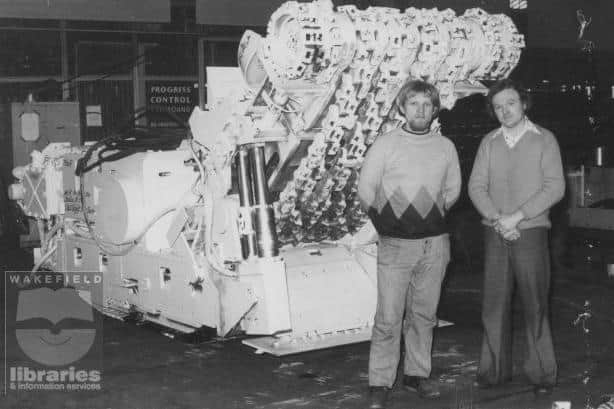

Orders for the firm’s products later declined due to the demise of the coal mining industry.
Production at the Thornes site ceased in 2000, with staff being made redundant and assets sold off.
In 2001, as part of the sale, the firm’s crushing division was bought by a newly-established company, BJD Crushers, and a number of staff were re-employed.
BJD Crushers was later acquired by Wakefield-based Group Rhodes in 2024, and the name British Jeffrey Diamond, has since been re-registered with Companies House.

A ‘Friends of British Jeffrey Diamond’ group continues to operate on Facebook and the idea for the blue plaque was suggested by former employee Carole Walker, who contacted the civic society.
Society president Kevin Trickett said: “Carole first contacted me around two years ago, asking for advice on how to go about getting a blue plaque.
“We discussed the matter, and I’m pleased to say that Carole was able to secure all the necessary permissions and, together with support from local councillors, we were able to obtain a grant from Wakefield Council’s community grants scheme to cover the costs associated with the plaque and the unveiling event.”
The unveiling event is planned for March 4 at Wakefield Exchange, with guest speakers including Wakefield’s mayor Maureen Tennant-King, Mel Lockett, a former managing director who led a management buy-out of the company in the 1990s, and Mark Ridgway, chief executive of Group Rhodes
Mr Trickett added: “Although the unveiling event will be of interest to people who worked at the company, it is open to anyone wanting to learn more about this fascinating piece of Wakefield’s history.
“But we’ll not just be looking at the past – we’ll also be looking at the present as the BJD business continues.”
The event is free to attend and more details are available at wakefieldcivicsociety.org.uk/events