
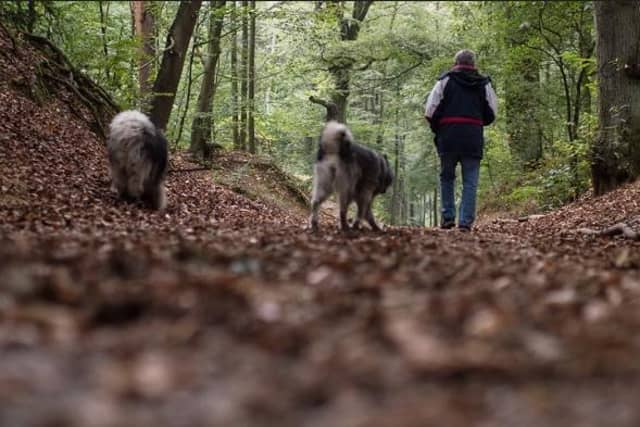

As leaves drop off the trees, so do other seeds and fruits which can be toxic to our four-legged friends.
Here's everything you need to know to keep your dog safe on autumn walks, thanks to the Kennel Club.
9. Alabama rot
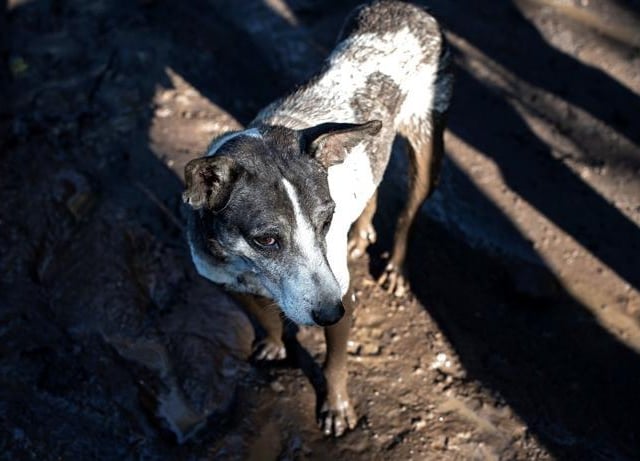
Alabama rot is a rare but potentially life-threatening disease that affects dogs. It's not known what causes Alabama rot, but it’s believed to be related to walking in muddy conditions. Alabama rot causes problems with blood vessels in the skin and kidneys, and often first appears as unexplained marks, sores or ulcers, usually on their legs or paws. To prevent your dog from getting ill, experts recommend that you either keep dogs away from muddy areas or wash and dry them thoroughly after muddy or wet walks.
10. Fallen fruits
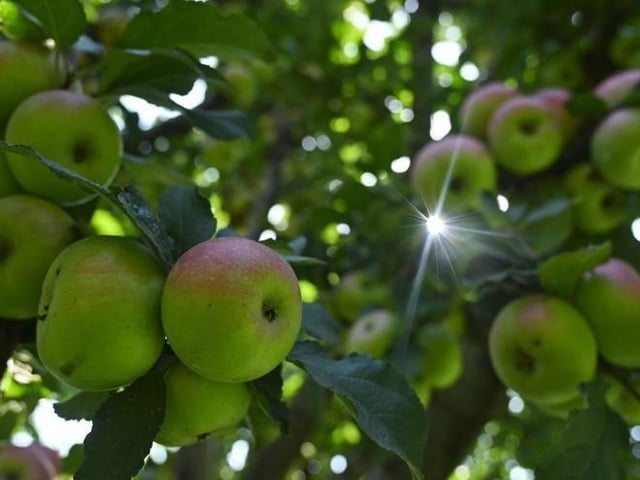
As the temperature begins to cool in autumn, many trees start to drop their fruits. Some seeds, pips and fruit stones (apples, cherries, plums etc.) contain toxins that can make your dog ill. These fruits can also make your dog unwell if they’re eaten when mouldy or after they’ve begun to ferment.
11. Fleas
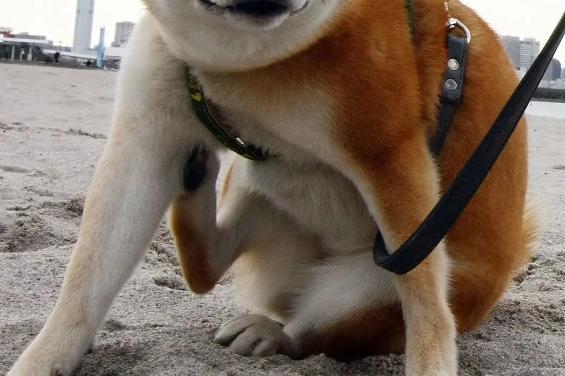
Dogs can catch fleas when they come in to contact with other infested animals, or when the fleas jump on to your dog when out for a walk. It’s easy to prevent fleas and many flea products are safe, easy to administer and effective at stopping them from bothering your pet. If you need advice on the best flea treatments or preventatives to use then speak to your vet for advice.
12. Rat and mouse poison
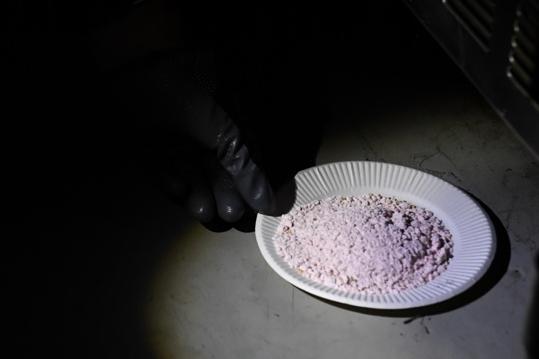
In autumn and winter, mice and rats begin to invade people’s houses looking for warmer places to live. Mouse and rat poisons are designed to be attractive to rodents, but they often smell and taste good to your dogs too. If you use any of these poisons, make sure they are put in places where your dog can’t reach them. Always contact your vet immediately if you are concerned that they may have eaten any poisons.