
Historic St John the Divine church to be converted into a house
Plans to convert a Wakefield church which dates back to the late 18th Century into a four-bed house have been approved.
Wakefield Council has given the go-ahead to turn the St John the Divine building, Calder Grove, into a residential property.
The grade II listed building has been empty since 2018 due to dwindling congregation numbers.
It was constructed in 1893 and designed by Yorkshire gothic revival architect William Swinden Barber.
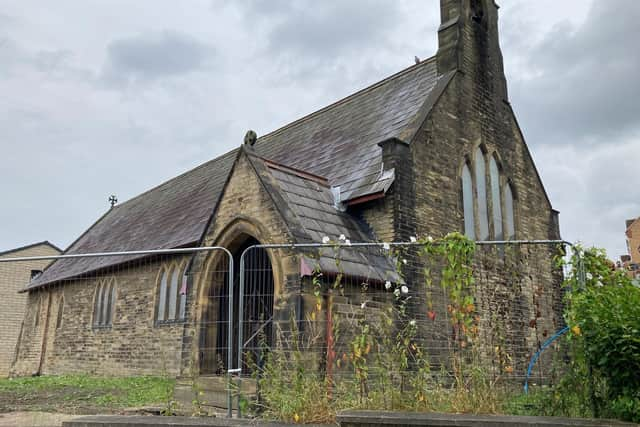

The building was funded by local benefactor Mary Mackie in memory of her husband was given listed status in 2016 as it is regarded as a good example of Barber’s work.
A planning statement says the building is also noted for its “striking” intricate roof beam structure.
The proposal includes making external alterations to the building, including installing roof lighting.and creating an access route onto the site from Denby Dale Road West.
A new parking and garden area is also planned.
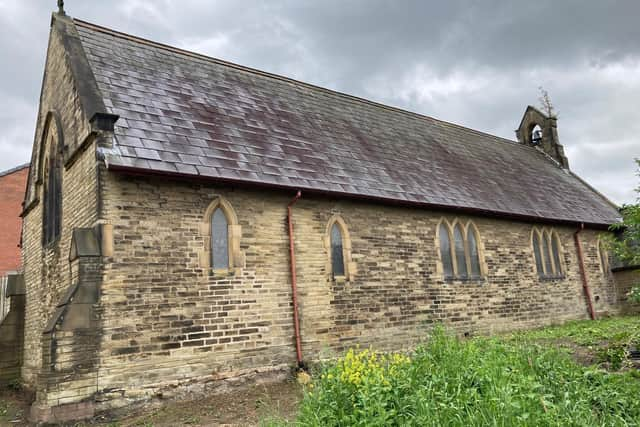
The Diocese of Leeds closed the church six years ago due to falling attendance numbers.
The building was also said to have an “inadequate” heating system and lack of toilet facilities.
The congregation was transferred to St James church, Chapelthorpe, and the building continued to be maintained by the diocese.
The report adds: “As an empty unused building it will quickly deteriorate, and therefore it was felt that the only way to protect the building was to sell it and find another use for it.
“Due to its comparatively small scale and size and given its location centrally positioned within a residential area, conversion to form a dwelling was felt to be the most appropriate new use for the building.”
“Whilst there will be some loss of the original fabric following the proposed alterations, this loss is considered to be justified by the need to reuse an empty deteriorating building and provide a high quality habitat.”
Recommending the application for approval, a planning officer’s report says: “It is considered that the proposed alterations would be sympathetic to the special architectural features of the church whilst adapting it for modern residential occupation.
“It is considered that, given the building is no longer viable for use as a church, if it were not to be utilised then it would fall into disrepair.”