
Historic Woolley Hall sold at auction for £1.5m
The historic Wakefield country house, Woolley Hall, previously been earmarked for restoration, has been sold at auction for £1.5million.
Woolley Hall, a Grade II listed Jacobean house dating from 1635, was auctioned online by BTG Eddisons Property Auctions this week, almost a year after a previous attempt to sell the property fell through and sold for £1,510,000.
The 18-acre site, near the village of Woolley and close to the M1 and Wakefield, includes the main house, former stable buildings, a walled garden, private tennis court and two gate lodges.
The hall has around 33,000 sq ft of space, with a further 15,000 sq ft in the former stables.
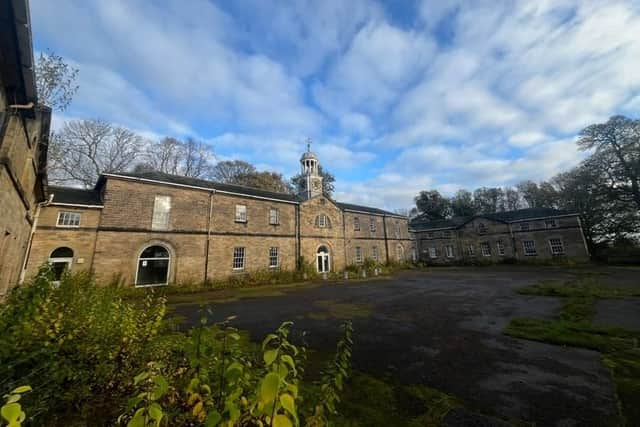

The local authority took ownership of Woolley Hall in 1947 and used it as a conference and wedding venue. It had previously been a residential college and, before that, was the home of the Wentworth family.
The council had considered restoring the building and developing it as a wedding venue and spa before deciding to sell it, however a sale of the site fell through in September last year.
It’s not yet known who has bought the buildings and grounds, but the next chapter could take a number of new directions.
Subject to planning and listed building consent, auctioneers say the size of the site and its mix of historic buildings and grounds could make it suitable for uses including a hotel or wedding and events venue, a leisure or spa destination, residential conversion or a mixed-use development.
Will Thompson, director at BTG Eddisons Property Auctions, said: “Any future plans will of course need to take account of the hall's Grade II listing and its historic significance but there’s tremendous scope for any number of imaginative new uses for this unique building and grounds.
“Needless to say, we had a great deal of interest and there has been a diverse range of ideas for new uses from prospective buyers.”
Woolley Hall was built in the early 17th century and was later extended, including with work by renowned architect Jeffry Wyatville, who also worked on extensions to Windsor Castle and Chatsworth House, around the turn of the 19th century.