

English naturalist and explorer, Charles Waterton was born in Wakefield, in June 1782.
In 1767 his father, Thomas Waterton, began to build the house now known as Waterton Park Hotel and Walton Hall – which is currently owned by the Kaye family.
In 1805, Thomas Waterton sadly died leaving Charles as the heir of the Walton estate where he resided for a couple of years.
Over the next decade, Charles began travelling oversees, making various journies to South America, including to British Guiana and Brazil.
He described discoveries from his travels in his book titled, ‘Waterton's Wanderings in South America’ which inspired future explorers like Charles Darwin.
In 1821, Charles returned to Wakefield and began to build a wall around the estate to protect the wildlife inside Walton Park.
This became the first wildfowl and nature reserve to be built in the UK.
The wall took five years to build, costing around £9,000 at the time which would amount to a vast £2.5 million today.
The wall was three miles long and once reached as high as 16 feet high - separating the park from the landscape surrounding it.
Charles is also creditied with inventing the bird nesting box during this time.
In 1829, the naturalist married Anne Mary Edmonstone, in Belgium.
Sadly, Anne passed away just a year later, in April 1830, just three weeks after the birth of their son Edmond.
She was buried in the vault of the Waterton chapel in Sandal Magna church.
Charles Waterton died 35 years later, in 1865, at the age of 82, after a serious fall within his estate.
During the opening of the new Wakefield Museum, in 2013, David Attenborough described Charles Waterton as "one of the first people anywhere to recognise, not only that the natural world was of great importance, but that it needed protection as humanity made more and more demands on it".
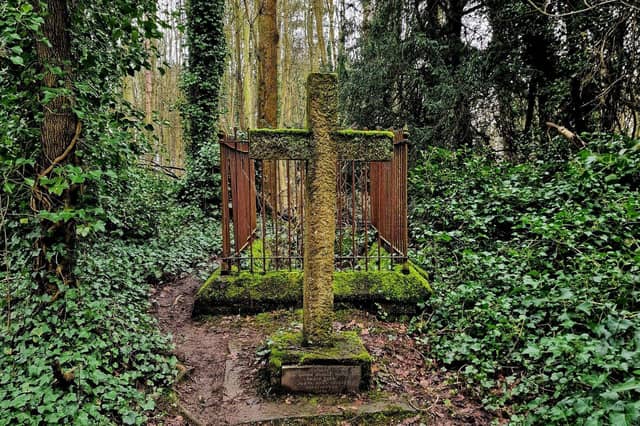
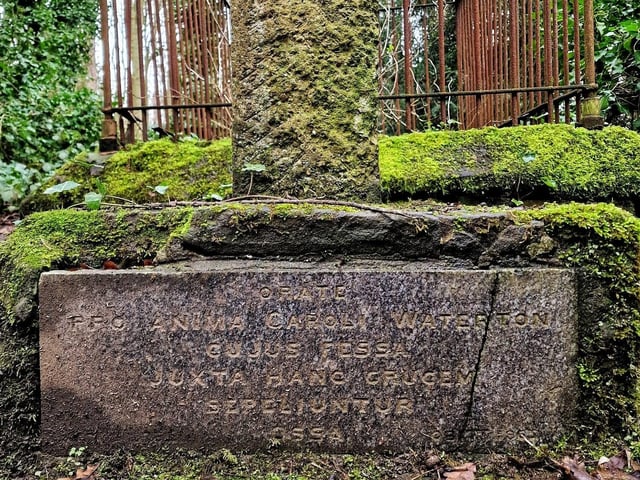
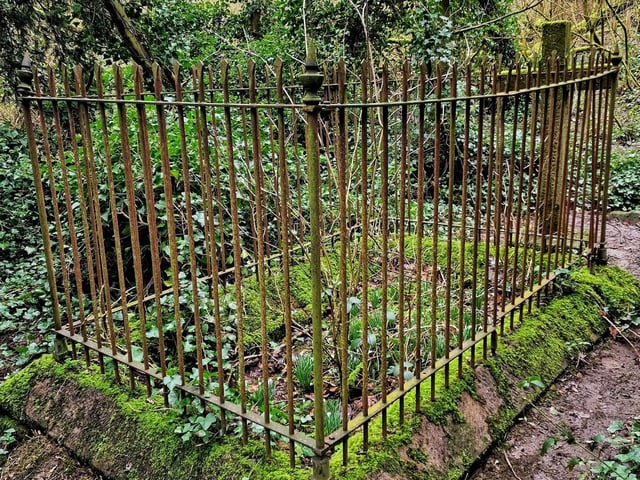
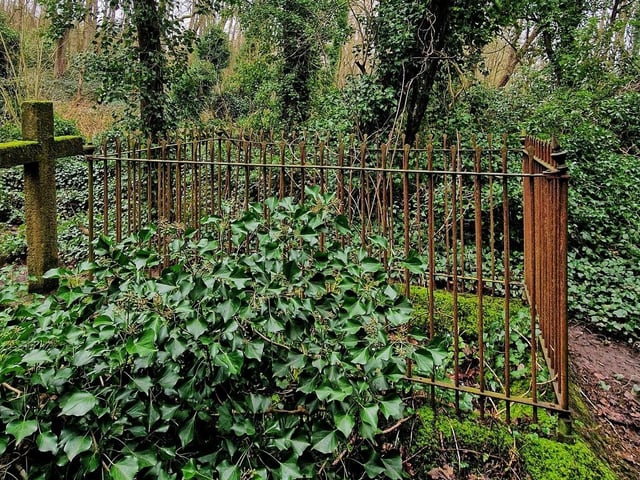
To this day, his grave can be found deep in the woodland surrounding Waterton Park Hotel, known as 'Stubbs Wood' and is rarely visited or upkept.
These incredible photos were taken by renowned urban explorer, Lost Places and Forgotten Faces.
1. Protecting the park
In 1821, Charles returned to Wakefield after travelling to South America and began to build a wall around the estate to protect the wildlife inside Walton Park. Photo: Lost Places & Forgotten Faces
2. Walton Hall
1n 1805, Charles inherited Waterton Park Hotel and Walton Hall, otherwise known as the Walton estate, after his father Thomas died. Photo: Lost Places & Forgotten Faces
3. Born in Wakefield
English naturalist and explorer, Charles Waterton was born in Wakefield, in June 1782. Photo: Lost Places & Forgotten Faces
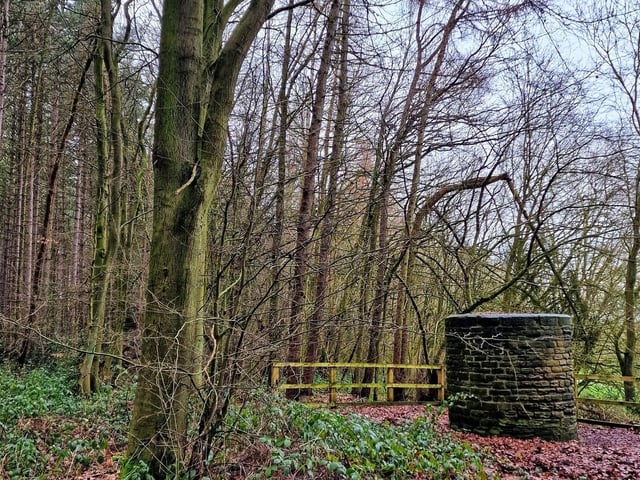
4. Five years
The wall took five years to build, costing around £9,000 at the time which would amount to a vast £2.5 million today. Photo: Lost Places & Forgotten Faces