
Leeds Bradford flight cancellations: Advice to travellers after EasyJet axes flights
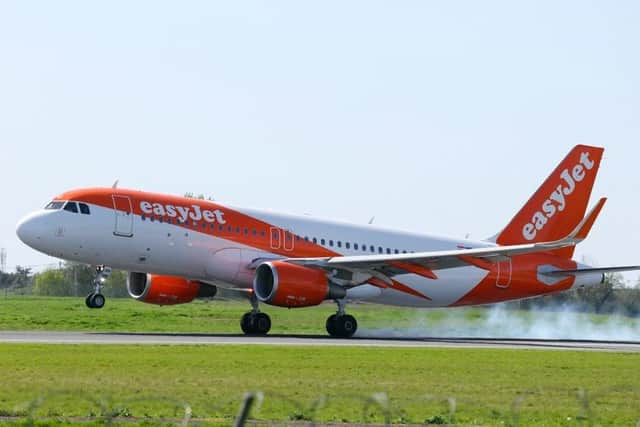
With EasyJet cancelling all flights out of Leeds Bradford from January 2027, travellers are being advised of the steps to take if their plans are disrupted.
Passengers are advised to contact their airline immediately to arrange a refund or rebooking, and to familiarise themselves with their rights, which may include meals or accommodation.
Travellers should keep receipts for extra costs and check whether their travel insurance covers them.
Adam Edinburgh, Head of Travel and New Products at Post Office Insurance, says: “Flight cancellations can be stressful, especially when they happen at short notice.

"While some disruption is unavoidable, there are practical steps travellers can take to minimise the impact if plans change.”
Four things to do if your flight is cancelled:
Contact your airline immediately to arrange rebooking or a refund. If your flight is cancelled, you may be entitled to either a full refund of the price of the flight (as well as any other flights as part of the same booking, such as onward and return flights) or a replacement flight.
Know your passenger rights, as airlines may be required to provide meals, accommodation or alternative transport in certain circumstances. If delay or cancellation forces you to stay at the airport overnight, then the airline should book and cover the cost of your accommodation and any transport to and from it.
Keep receipts for any additional expenses caused by disruption, as well as booking confirmations, as these will likely be needed for claims to the airline.
Check your travel insurance policy, to understand what cover is available where needed, as benefits vary between providers and policy types.
What’s causing flight cancellations?
Rising fuel costs - Jet fuel prices remain high, increasing operating costs for airlines. As a result, some carriers are cancelling less‑than‑full flights or consolidating services to remain financially viable.
Operational pressure - Ongoing staff shortages across airlines, airports and ground handling teams can lead to last‑minute cancellations, particularly during busy travel periods.
Weather disruption - Adverse weather such as storms, fog and high winds can ground aircraft and cause knock‑on disruption throughout the day.
Air traffic control restrictions - Congestion and capacity limits across UK and European airspace can force airlines to reduce flight schedules at short notice.
Aircraft availability - Technical issues or delayed inbound flights can mean aircraft and crew are not in position, leading to cancelled services later in the day.
Adam said: "While airlines are responsible for assisting passengers during cancellations, staying informed and planning ahead can help reduce stress if travel plans change unexpectedly.
"Understanding your rights, keeping important travel documents to hand and checking what protection is available before you travel can make a significant difference when disruption occurs.
"For added reassurance, we offer Trip Disruption cover as an add-on for an additional premium, offering protection for a range of unforeseen events that can impact a trip, including airspace disruption, natural catastrophes and terrorism, subject to the terms of the policy."