
Pontefract Liquorice Festival: The story of town's centuries-old association with liquorice - from medicine to sweet
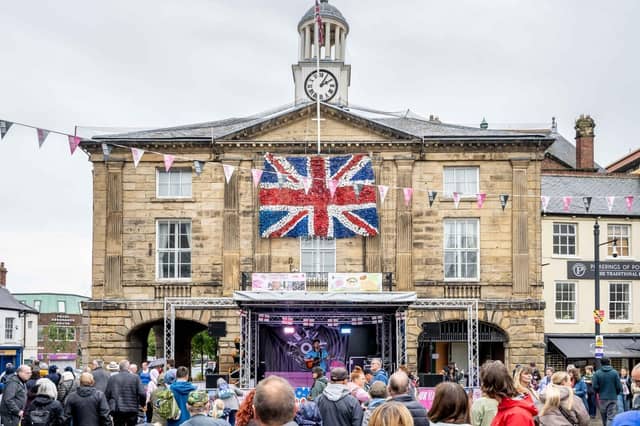

As the town gears up for its annual liquorice festival, this coming weekend, there is no mistaking the love it feels for the sticky black confection.
Quite who brought liquorice to the West Yorkshire town of Pontefract remains a mystery, but for centuries, the two have been inextricably linked.
So strong is Pontefract’s association with the sweet that a festival celebrating it has been a highlight of the town’s calendar for more than a decade.
This Sunday, July 13, Pontefract Liquorice Festival returns and welcomes back the popular food and drink trail for 2025.

The trail offers visitors the opportunity to sample a number of dishes and drinks – all liquorice related!
The liquorice plant, native to areas in and around the Middle East, grows well in Pontefract’s soil.
It is thought it was brought to the town either by medieval knights who owned Pontefract Castle, when they returned from the crusades, or by monks, who settled at Pontefract Priory. While exact origins are unknown, most sources associate the beginning of Pontefract liquorice cultivation in the mid 16th century.
The liquorice root had been used in medicine since the time of the Ancient Greeks, recommended for ailments such as asthma and other respiratory issues.

In Pontefract, it had medicinal use too with liquorice distributed to herbalists and apothecaries, which likely helped the longevity of Pontefract liquorice.
It was sweeter than sugar so was regularly used in treatments for coughs, shortness of breath, dropsy, stomach pains, and valuable when mixed with honey for wounds.
Its sweetness masked the taste of some of the fouler smelling and tasting ingredients.
By 1614, liquorice extract was being made into small lozenges, each with a stamp. It is thought this was an early form of what would become the famous Pontefract Cakes, though it wasn’t until the 1700s that liquorice was made into a sweet rather than a medicine.

By this point, liquorice fields had sprung up across the town and surrounding areas, and even in the grounds of Pontefract Castle.
In 1760, it is thought a chemist, Dunhill, added sugar to the medicinal recipes of liquorice, making it a sweet and Pomfret (Pontefract) Cakes began being produced commercially.
By 1900, Pontefract liquorice travelled the world. Sweets made in one of the many factories in the town were sold in shops and stalls across Europe, Asia and the Americas.
In turn international liquorice imports from Spain and Turkey fed the factories when locally grown supplies could not keep up with demand.
Factories created liquorice boots, pipes, wafers, sandwiches, pellets, telephones, watches, pigtails, skipping ropes, torpedoes. Though the most famous shape was the simple stamped Pontefract Cake.
Coun Hannah Appleyard, Wakefield Council’s Cabinet Member for Culture, Leisure and Sport said: “The Pontefract Liquorice Festival is a great day out for all the family to enjoy.
"I’m delighted this year’s liquorice-themed parade will start from our headline sponsor, HARIBO UK’s Pontefract factory, home to the famous Pontefract Cake. It will be a wonderful spectacle for everyone to enjoy with fabulous costumes and a great atmosphere.
"The festival showcases an important part of our history, and heritage and highlights food manufacturing. With entertainment and colourful market stalls there’s so much to enjoy as we celebrate Pontefract’s unique association with liquorice.”