
Wakefield seeing an 'infestation' of rats, says pest controller - here's what to look out for
A Wakefield pest controller says the city is seeing an ‘infestation’ of rats bringing with it a potential risk to health.
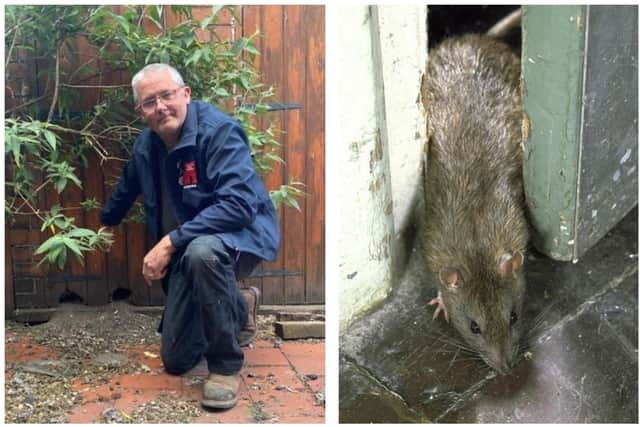
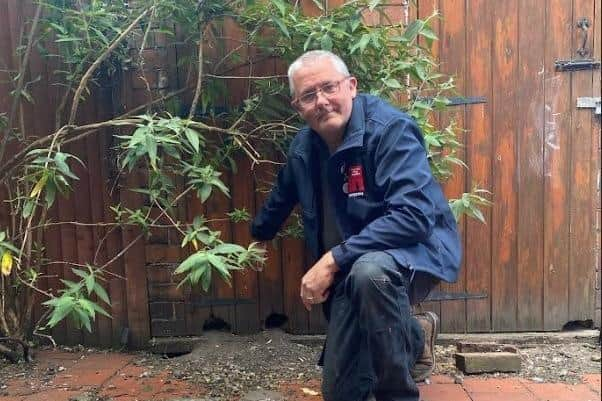
Craig Tiffany, who owns Integrity Pest Control, said he’s is seeing a big increase in the disease spreading rodents across the city.
Craig said: “There is a big increase – particularly in areas where there are sets of HMOs.
"Many people don’t know what to do if they see them, who to speak to about it, who to contact.

"I’ve seen lino that’s been chewed up, carpets, settees, work surfaces. They will eat anything and everything – even dishwasher tablets.
And he says some have been on the larger size.
"I’ve gotten rid of 15 or 16 that have been a fair size. I have size 10 boots and one was bigger than that with a tail of about 15mm in diameter.”
Craig said there is an infestation in some parts of the city, bringing with it a potential risk to health.
"They urinate in gardens and if you have kids playing outside, dropping things, picking them back up, not washing their hands and putting things into their mouths that have come into contact with the urine, it can cause leptospirosis.”
Leptospirosis is an infection that is spread through exposure to the urine of infected animals and can be fatal.
"Rats are very contagious and spread diseases,” Craig said.
"It’s also the same with dogs. They need to be up-to-date with their injections because if they lick something or pick something up that has rat urine on it, there’s a high chance of them catching it too.”
Craig said rats are becoming more and more prevalent and it’s the source of the infestation that needs to be tackled.
He said: “It’s all about how they are getting there – the source – and there’s usually a reason.
"Give them a food supply and they’ll breed like mad. That food supply needs to be taken away from them.”
Craig said the main thing to look out for are rat droppings.
"You can smell the rats. There’s a very strong, pungent, very distinctive urine smell.
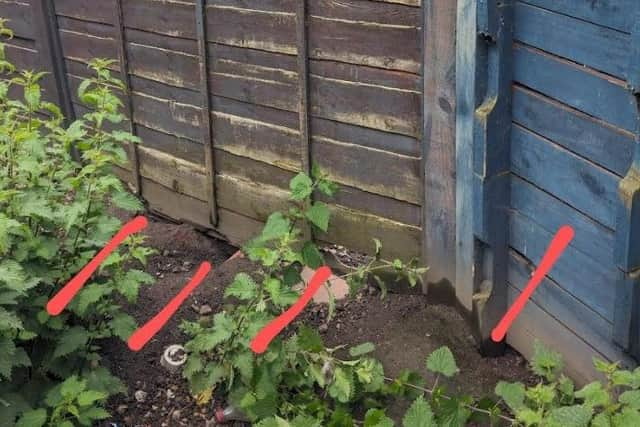
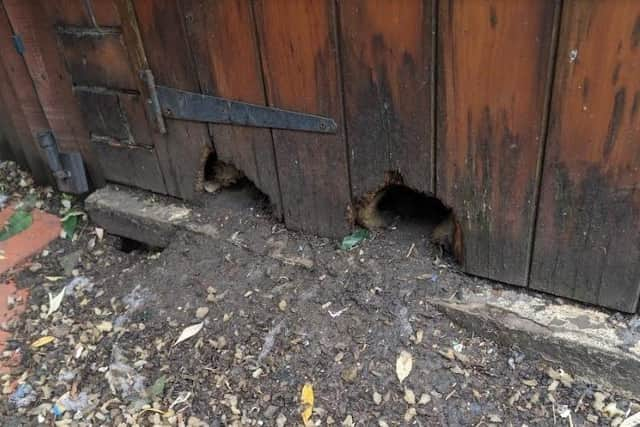
"You’ll see burrows in the soil, damage to air vents and any bin bags that have been left outside will be chewed.
"Rats push the boundaries for food and water supplies. They are very smart. They will eat anything and everything.
"They look for that food and water source, somewhere to nest, and then they’ll start having their young.”
Craig said bird feeders in gardens can attract the rodents.
"Bird feeders and throwing things like bread outside to feed the birds, rats will be eating most of that food, not the birds.
"Also, keep rubbish bags in the bin, don’t leave them out, and make sure the bin lid is closed properly.
"You just need to look for any defects outside the house. Make sure your outside walls are defect free. If there aren’t any, rats can’t and won’t come in.
"Defects includes things like old waste pipes, for example, if you’ve had a new kitchen fitted and they haven’t been closed off, a gap has been left open.”
And if you see any rats?
"The first thing you need to do is find out where they are getting in.
"They can become immune to poison and the ‘one feed kill’ labels just aren’t enough. One packet is not enough to kill them.
“They way I see it is if you threw 20 cans of beer into a house and think everyone that’s in there will get drunk – there might be 100 people in that house. It won’t do it to all of them and the same goes with rats and poison.
"The poison might kill one, but it won’t kill them all. They might go for a while, but they will be back a week, a month or even a year later.
"They breed all year round. It’s not just if it’s cold or if it’s warm. If they feed, they breed.
"They are part of the wildlife, unfortunately. They are the cleaner uppers of society.
"But they spread disease and we need to keep control of them. We need to educate people.
"If the food and water supply is removed, numbers will start to drop.
"If you see anything. Report it. Contact landlords. We’re pulling in the right direction, but it takes time.”