
More woodland in Wakefield a 'key part' of tackling climate change
Sobering figures from the Department for Business, Energy and Industrial Strategy show that trees absorb less than one per cent of CO2 emitted in Wakefield yearly.
Trees absorb carbon dioxide – the main greenhouse gas – from the air and convert it into wood and oxygen in a process known as carbon sequestration.
The data revealed that woodland in Wakefield sequestrated 0.5 tonnes of CO2 per hectare in 2017 – the latest available figures.
It means trees in the area captured an estimated 15,600 tonnes of carbon, according to that year’s land size.
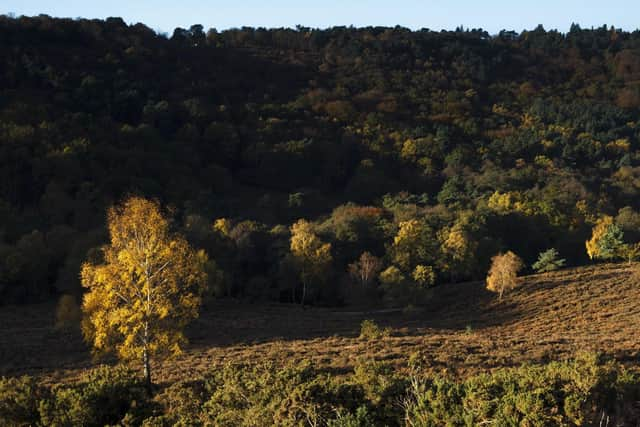

Different data from the BEIS department shows Wakefield emitted 2million tonnes of CO2 in the same year, meaning trees would have absorbed just 0.8 per cent of the carbon released into the air in 2017.
Trees campaigner at Friends of the Earth, Emi Murphy, said: “Decades of woodland destruction has left us severely lacking in one of the biggest natural allies in the fight against climate breakdown.
“Growing and maintaining more woodland is a key part of tackling the climate and nature emergency.”