
Dr's Casebook column: That spoonful of sugar doesn't help the medicine
I’m sure you will know the song from the Disney movie Mary Poppins, A Spoonful of Sugar Helps the Medicine Go Down.
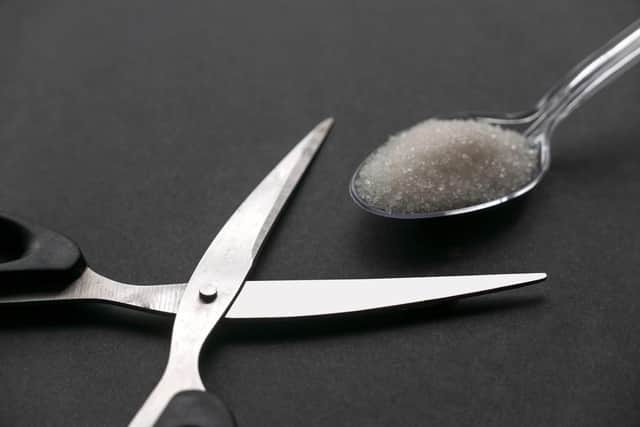
I certainly remember as a youngster being given a tablet disguised in a spoonful of jam to help to swallow it. And interestingly, the idea for the song was given to the lyricist Robert B Sherman when he came home one evening and was told that his children had been given their polio vaccine on a sugar cube. Modern research suggests that sugar is not a great idea at all when taking antibiotics.

The all-important microbiome
If you read this column regularly you will know that I keep an eye on research done on the microbiome. This is the name given to the trillions of microorganisms inside the gut. It plays an essential role in your health. Indeed, they form the largest immune system in the body. As such, it needs to be nurtured with good food and drink and avoiding certain things, or keeping them to a minimum.
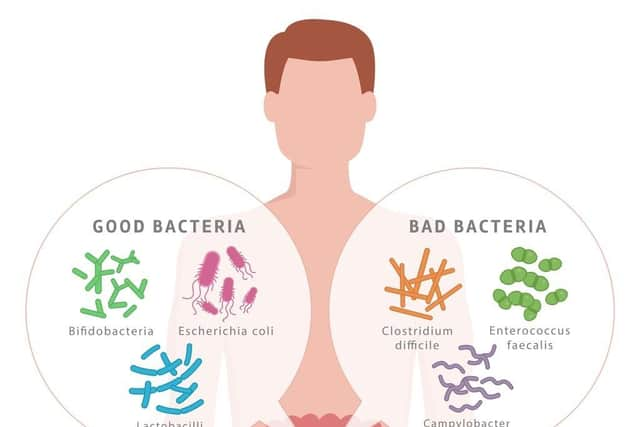
Several studies have shown that diet has a profound effect on the diversity of gut bacteria. The greater diversity, the better the overall health and the less infections.
It is also well known that some medicines reduce the diversity. Antibiotics certainly do, and they found that one course can disrupt the diversity for up to a year. The diabetes drug metformin and antacids can also reduce the diversity.
Foods that increase the biodiversity are fruits, vegetables, yoghurt and buttermilk. Tea, coffee and wine also do. On the other hand foods containing loads of simple carbohydrates reduce it. These include high fat whole milk and sugar sweetened fizzy drinks. Artificial sweeteners also reduce the diversity.
The important thing to appreciate is that the less diversity the more vulnerable one is to disease because the immune system is impaired.
Sugar and antibiotics don’t mix
Research from New York published in the journal Nature, strongly suggests that eating more sugar while taking antibiotics causes greater disruption of the gut microbiome and causes increased growth of potentially harmful bacteria.
They studied the dietary intake of sugar in 173 patients over almost 10,000 meals they consumed during their stay in hospital. All the patients had blood cancer and were selected because they frequently had to be admitted to hospital and had to have antibiotic treatments.
As stated above, earlier studies show that antibiotics lower the diversity, partly because they kill off god bacteria in the bowel. But in this study they found that for every additional 100 grams of sugar eaten during the 48 hours before treatment, the researchers observed an additional 21 per cent decline in diversity.
They conjecture that dietary sugar may magnify the microbiome disruption caused by antibiotics because not only do antibiotics kill off beneficial and protective bacteria, but the potentially harmful bacteria that survive the treatment may be able to use all that extra sugar to expand and thrive.
The message is that temporarily reducing sugar intake while taking antibiotics may reduce this problem and help to maintain the microbiome balance.