
Dr's Casebook column with Dr Keith Souter: Drink water to stay hydrated and be less stressed
The heatwaves that we have had one after the other so far this year have been difficult for many people to cope with. Indeed, they can significantly impact people’s health.
The primary danger of heatwaves is that they overwhelm the human body's thermoregulation processes, which can lead to heatstroke, heat exhaustion, and dehydration.
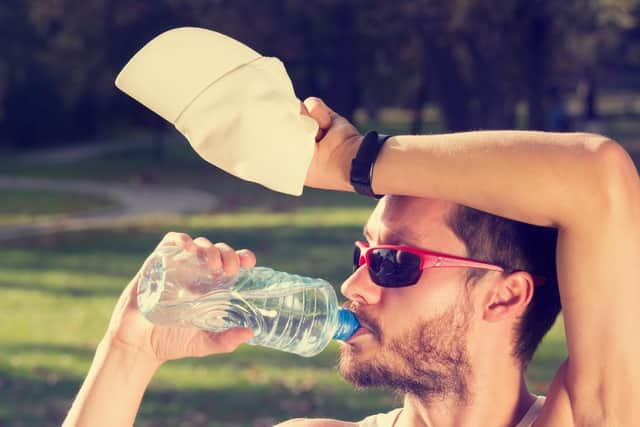

In addition, extreme and prolonged heat also forces the cardiovascular system to work harder to cool the body, which spikes the risk of heart attacks and strokes.
People are not always aware that you actually need water long before you feel thirsty. This is especially the case when it is hot and you are exerting yourself. The problem is that when you are deprived of water, you wilt, just like a plant. And in the current time you only have to look at the lawns and plants in the gardens to see how plants are struggling and wilting.
When you get dehydrated cells are deprived of water and they shrink. The body’s internal regulation does all that it can to maintain hydration of all the important tissues, but other tissues will be put at risk. The brain and the heart will maintain optimal hydration, but muscles and intestines, for example will suffer.
The body is about 60-70 per cent water. Blood is mainly water, and every organ, tissue and cell is dependent on having enough water. If you don’t have enough then you don’t control your temperature well, and you reduce the body’s ability to transport nutrients, remove waste, and to protect your organs and joints.
A study published in the Journal of Applied Physiology last year found that people who drink less than the recommended daily fluid intake experience a greater stress hormone response, which is associated with an increased risk of heart disease, diabetes and depression.
They found that individuals who drank less than 1.5 litres of fluid per day had a cortisol response to stress that was over 50 per cent higher than those who drank the recommended amount. The current recommended intake for women is about two litres of fluid a day, and for men about 2.5 litres.
In the study they looked at two groups of young adults who represented the top and bottom quarter of people for fluid intake. The low-level intake group drank less that 1.5 litres a day and the high group drank 2.5 litres or above. They were all asked to maintain their usual drinking patterns for a week. During that time they had their hydration levels checked by blood and urine tests.
Then, at the end of the week they all took the Trier Social Stress Test, which consisted of an artificial job interview followed by a mental arithmetic test. Predictably both groups felt some anxiety, but the low fluid intake group showed a 50 per cent increased level of cortisol the stress hormone. Their systems were showing greater stress. If that happens long term then their risk of cardiovascular disease may be increased.
Very interestingly, although they did not feel any thirstier than the high fluid group they had darker urine, a sign of dehydration.
Sport this summer has shown us the importance of staying hydrated. At the World Cup they had hydration breaks in every half of the game. It is worth making sure that you are staying hydrated in these heatwaves. You want to make sure your urine is as pale as possible. If it is dark yellow you are probably dehydrated. So, think about having regular hydration breaks whatever you are doing. Just drinking more water is such a simple thing to do for your health.