
It’s 200 years since Wakefield created the world's first nature reserve – and this is what’s happening to mark it
He may not have known it at the time but 200 years ago a Wakefield explorer created the world’s first nature reserve.
Charles Waterton, who lived 1782 to 1865, was a naturalist, explorer, and early environmentalist, best known for his pioneering work in wildlife conservation and his vivid travel writings.
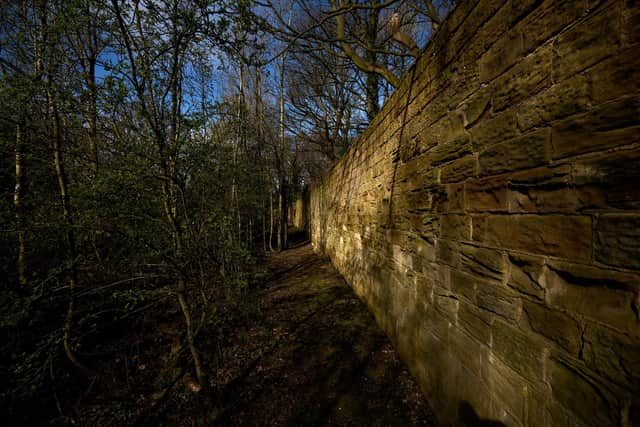
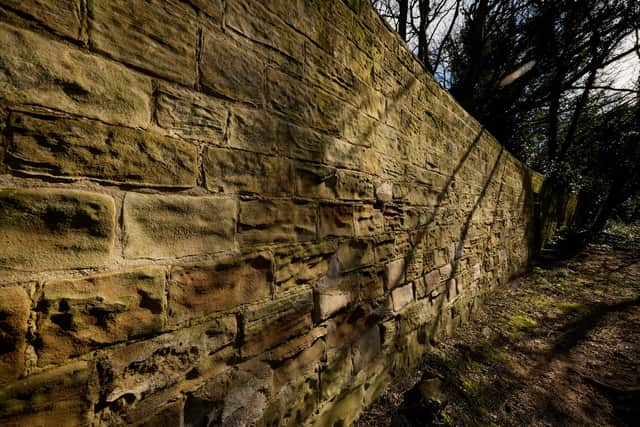
Between about 1821 and 1826, Waterton constructed a three-mile-long stone wall – roughly 9 feet to 15 feet high – around his estate.
Its purpose was simple but revolutionary – to keep out hunters and predators and create a safe haven for wildlife, especially birds.
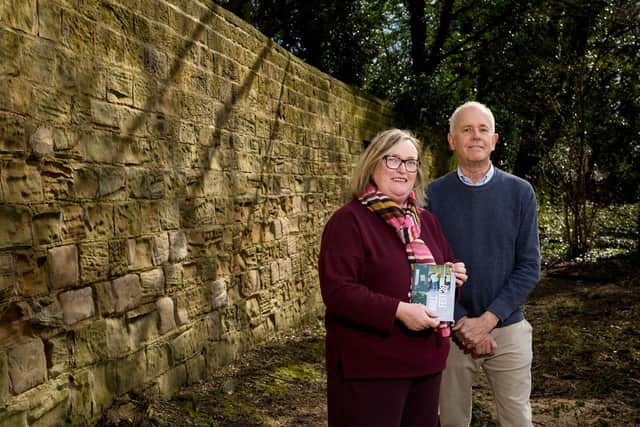

The wall and its nature reserve is celebrating its 200th birthday with the group that helped to restore it.
Sir David Attenborough believes it is the first known nature reserve and has been in contact with the group.
A series of events are lined up to mark the milestone.
Chair of trustees at Friend’s of Waterton’s Wall John Smith said: “We approached Historic England with the idea that this could be the first nature reseverve in the world. They said, “How do you know?”
"So we wrote to Sir David Attenborough, who has been an immense supporter of us as a group. He wrote back to us and said, To my best knowledge, it is, I know of no other’. He’s my expert witness and I’m quite confident to say this is the first nature reserve of its kind in the world.
"Waterton is probably the world’s first environmentalist. Firstly because he was the first person to have to the guts take someone to court for polluting during the Industrial Revolution, which was eventually settled.
"And secondly the first nature reserve. If you Google ‘first nature reserve’ it comes up with places about 50 years later. So I’m quite happy to say this the guy, the architect, of modern environmentalism.
"He was born in Wakefield, he lived in Wakefield and we should trumpet that.”
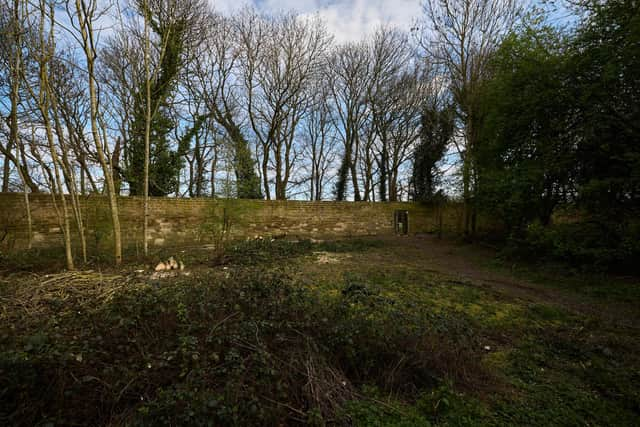
The friends group has worked to restore part of the wall alongside stone expert Mark Womersely, who has worked on York Minster’s restoration.
Events will be held under the banner of WallFest to mark to the occasion.
Many will be held in a space in the ground near where the wall has been restored.
On Wednesday, April 8 at 7pm, Theatre Royal Wakefield the premiere of the short film Random Common Sense will be held.
The film includes exclusive footage of Sir David Attenborough as well as Sir Michael Palin and others. Tickets are free.
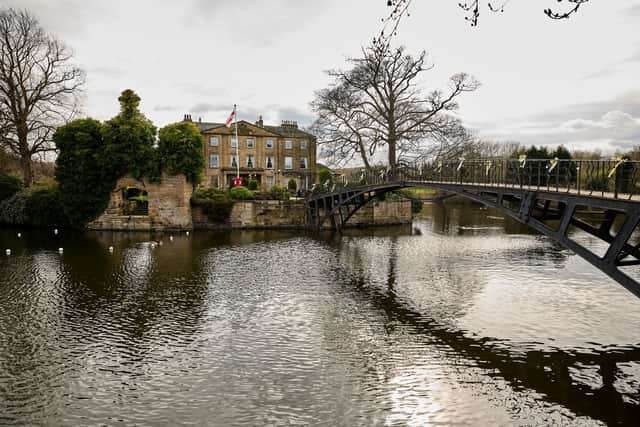
On Friday, May 1 from 7pm, at Walton Hall, Waterton Park Hotel and Spa WallFest will officially begin.
The event will include the Lord Lieutenant of the West Riding Adeeba Mali and a representative from Historic England.
Drinks and canapes will be served.
The group’s mission is to physically restore the wall and tell Waterton’s story.
Volunteers have made the restoration possible and the friends group has been keen to join forces with partners from Wakefield Council to Waterton Park Hotel to make progress on the project.
Born at Walton Hall, Waterton developed a fascination with nature from an early age.
He later traveled extensively in South America, particularly in British Guiana, now Guyana, where he studied tropical wildlife and undertook dangerous expeditions into the rainforest.
His observations of animals, plants, and indigenous cultures were detailed and often ahead of their time.
Sir David Attenborough acknowledged his influence on the conservation movement.
He said: "Charles Waterton’s reputation has changed significantly over the past few years.
"He has long been famous as a fascinating English eccentric who wrote an extremely entertaining account of the natural history of the South American rainforest, but he’s now seen to be much more important than that.
"He was one of the first naturalists anywhere to recognise the damage that was being inflicted on the British countryside by the industrial revolution.
"In response he built a tall wall all around his estate in Walton and in doing so he created the first nature reserve of modern times.”
The construction of the wall around the property to protect birds and other wildlife from hunting and habitat destruction was an unusually forward-thinking act in the early 19th century.
He published his experiences in Wanderings in South America, a lively and sometimes humorous account that combined scientific observation with adventure storytelling.
His work influenced later naturalists and helped encourage a growing appreciation for conservation.