
New cemeteries policy adopted to tackle burial site shortage
Wakefield Council has adopted a new strategy for burial provision due to cemeteries across the district being full or close to capacity.
Senior councillors approved a policy change which includes carrying out work to identify possible new burial sites.
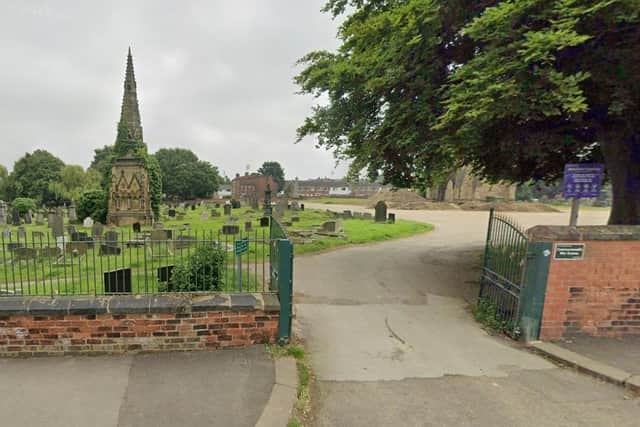
The decision comes after a report said Pontefract Cemetery, which dates back to 1859, had reached capacity and new burials are only possible within existing pre-purchased or family graves.
Attempts to find an alternative site to serve the town has been ongoing since 2020 without success.

Julian Carter, the council’s cabinet member for neighbourhood services, said the new strategy formed part of a “root and branch reform” of the burial provision.
He said: “Demand and pressure on available capacity are increasing and opportunities for new cemetery development are becoming more constrained.
“The strategy establishes Wakefield’s long-term to managing cemetery capacity and future burial provision.
“The development of additional cemetery provision can take a number of years to deliver.”
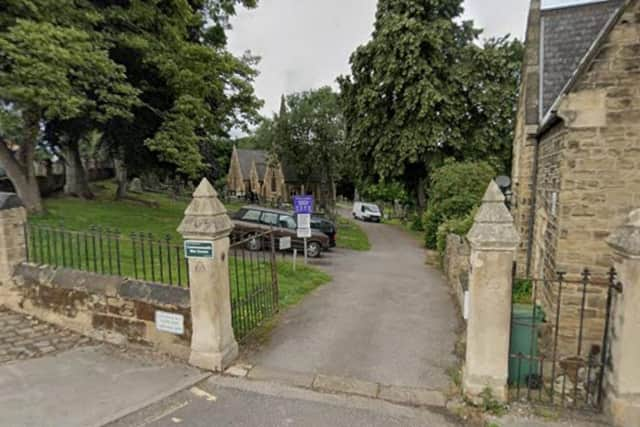
According to the report, Normanton Lower Cemetery has “historically been regarded as full”, although recent investigations have identified potential additional capacity within the existing cemetery boundary, subject to planning permission being granted.
Normanton Upper Cemetery has around two to three years of remaining capacity, while Wakefield’s main cemetery at Sugar Lane has between five to seven years remaining.
The Muslim burial section at Sugar Lane has around four years of remaining capacity.
Referring to the shortage of space at Sugar Lane, Ansar Hayat, cabinet member for adults and health said: “The doesn’t give us a lot of time, to be honest, to plan. So I think this is something that should be taken as an urgent priority.”
The report also said: “Changes in burial patterns, declining availability of space within existing family graves for future interments, increasing demand for cremated remains interment and projected increases in mortality are all expected to place further pressure on burial land.
“The evidence therefore supports the need for a strategic approach that both maximises existing capacity and plans pro-actively for future provision, helping to ensure burial services remain accessible, equitable, sustainable and capable of meeting future community needs.”
A potential site within three miles of Sugar Lane was being investigated as an option for future cemetery provision, the document said.
An initial assessment and ground investigation work had been carried out but a decision is yet to be taken over developing the site.
Across the district there are around 3,800 deaths of local authority residents each year and 860 burial-related services, including the burial of cremated remains.