
Wakefield Wallfest to mark 200 years of world’s first nature reserve
A festival to celebrate Wakefield the 200th anniversary of what may be the world’s first nature reserve begins in Wakefield this week.
The opening event of WallFest 26 takes place on Friday evening, beginning a month-long programme celebrating the legacy of Victorian naturalist Charles Waterton, who enclosed his Walton estate with a three-mile stone wall in the 1820s to protect wildlife from hunting and disturbance.
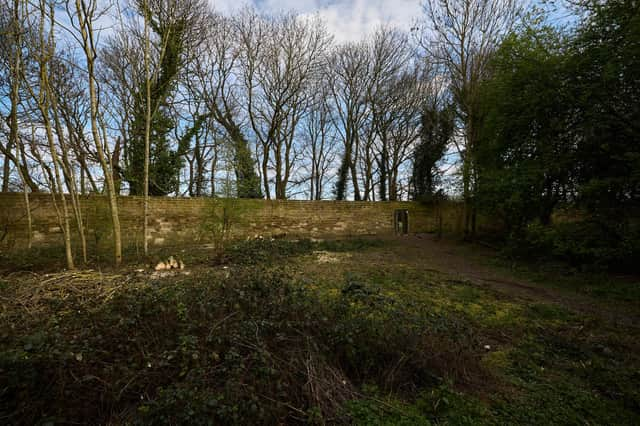

The estate, now centred around what is today Waterton Park, is widely credited as an early milestone in conservation history.
The festival launch will bring together civic leaders, heritage organisations and community representatives, including the Lord-Lieutenant of West Yorkshire, Professor Adeeba Malik CBE, alongside representatives from Historic England and the West Yorkshire Combined Authority.
Waterton’s original wall, completed around 1826, formed a boundary around his Walton Hall estate and is recognised as a pioneering attempt to create a protected natural environment, predating modern national parks and conservation systems.
Organisers say Wallfest will feature more than 60 events across 20 locations during May, delivered by around 40 organisations, including local charities, arts groups and community bodies.
The programme is built around themes of nature, heritage, creativity and wellbeing, and is intended to highlight both Waterton’s historical legacy and modern environmental awareness.
The festival has been coordinated by the Friends of Waterton’s Wall, a community group working to preserve and promote the historic boundary and its story.
Friday’s launch event in Walton includes a structured series of civic and community activities.
A refurbished commemorative plaque will be unveiled at The Balk, opposite St Paul’s Church, with councillors also present.
Guests will gather at the Waterton Park Hotel and Spa, located on the historic Walton Hall estate, for a reception before moving to a lakeside venue for formal speeches and presentations beginning at 8pm.
Waterton’s estate has long been associated with early environmental protection.
His ban on hunting, tree planting, and creation of habitat-friendly conditions led to significant increases in wildlife, with historical records noting thousands of waterfowl and more than 100 bird species on the estate.
Sir David Attenborough has previously described Waterton’s estate as one of the earliest examples of land being actively managed for conservation purposes.