
Flats scheme at former club approved despite concerns over loss of facilities
Plans to convert a former community social club into flats have been given the go-ahead.
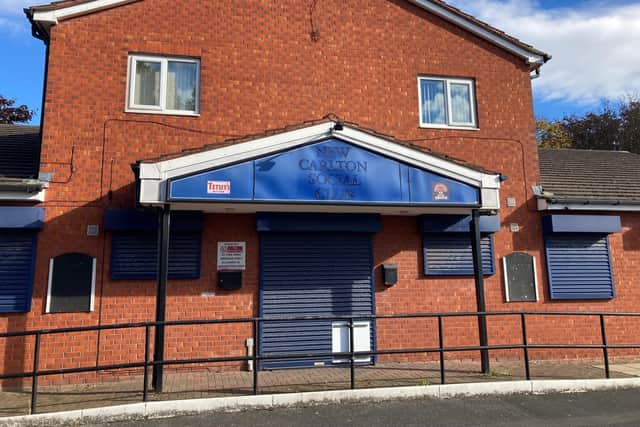
Wakefield Council approved proposals to build four self-contained flats at the New Carlton Social Club building in Normanton.
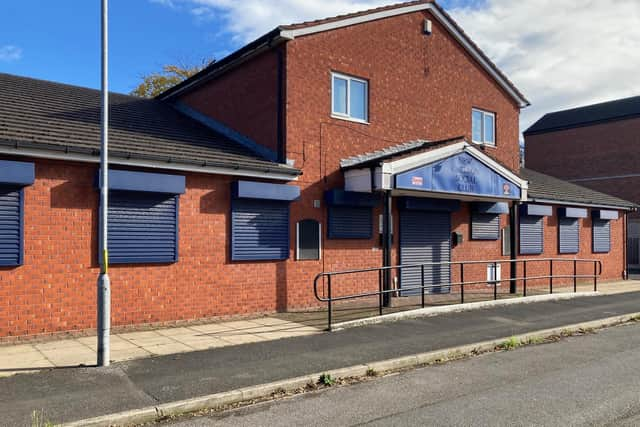

Documents submitted to the authority said the club had been “redundant for over a year.”
Eight people objected to the scheme after it was submitted in August this year, while four residents supported it.
Those opposed to the change of use of the property raised concerns over the “loss of a valuable community facility which has not been justified.”
Others said there was a lack of local infrastructure to support more housing in the area.
One objector commented on the council’s planning portal: “The New Carlton Social Club has historically provided an important social and community facility for local residents.
“There is still demand for the venue to reopen and there remains a loyal group of regular customers who would use the club if it were available again.
“Converting the building permanently into apartments would remove the opportunity to restore an established community facility and would result in the permanent loss of a social space serving local people.”
They added: “Local GP and dental services, schools, public transport and other community facilities are already under significant pressure.
“Adding further residential units without improvements to the infrastructure places an unreasonable burden on services that are already struggling to meet existing demand.
“The local area is already densely populated and, in my view, is reaching the point where further development without substantial investment in infrastructure is unsustainable.”
Those in favour described the proposal as a “good option for the local neighbourhood” as it would bring a vacant building back into use.
One resident commented: “I appreciate that the existing social club may have been an established community facility.
“However, if the premises are no longer viable or required for that purpose, I believe a well-designed residential conversion is a much better outcome than allowing the building to remain empty or underused.
“The proposal would give the property a sustainable long-term use while delivering four additional homes.”
A design and access statement lodged with the application said: “Sited next to existing residential housing would suggest that this site is suitable for residential usage.”
Proposals also include retaining parking spaces at the site for future residents and providing garden spaces.
The document added: “The units fit in well and do not over-dominate their surroundings.
“The amenity spaces created will be well maintained and landscaped and made safe through boundary fencing.
“Although this proposal will not provide permanent employment opportunities it will provide temporary employment during the construction process.
A planning officer’s report said: “The principle of development is considered to be acceptable as the loss of the social club can be justified in this instance.
“The proposed development is also considered to be appropriate in relation to visual amenity, residential amenity, highway safety, flood risk, land contamination and ecology.”