
Knottingley Cemetery chapels ‘will not be sold’, council chief says
Two 160-year-old chapels in a town’s cemetery will not be sold by Wakefield Council, a meeting heard.
The authority’s deputy leader gave assurances to councillors after concerns were raised over the future of the twin buildings at the entrance to Knottingley Cemetary.
Residents and councillors last month started a campaign to save the “eyesore” structures, which have been boarded up and unused for around a decade.
The Reform UK-led council is currently in the process of downsizing its estate of around 1,600 properties in a bid to save costs.
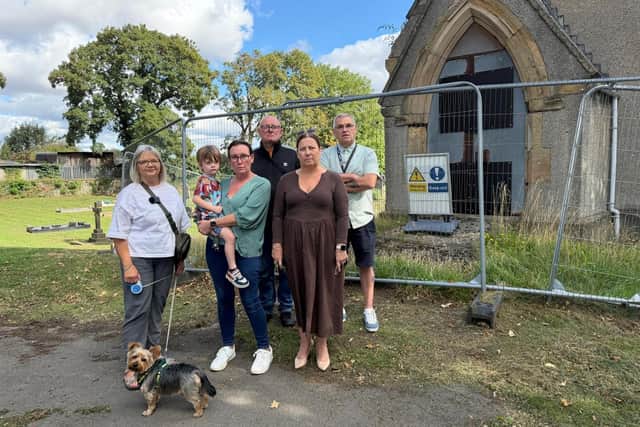

Rachel Speak, Liberal Democrat councillor for Knottingley, asked John Thomas, council deputy leader and portfolio holder for resources and property, about the future of the chapels at a full council meeting on Wednesday (October 14).
She said: “Can you just dispose of them on your say, or do we get to have a say in that process?
“I’m putting a lot of time and effort into a project and we need to know where that project is going . We not getting any answers on it. We could do with that really.”
Coun Thomas replied: “I can commit to you here and now that we won’t be selling those chapels.
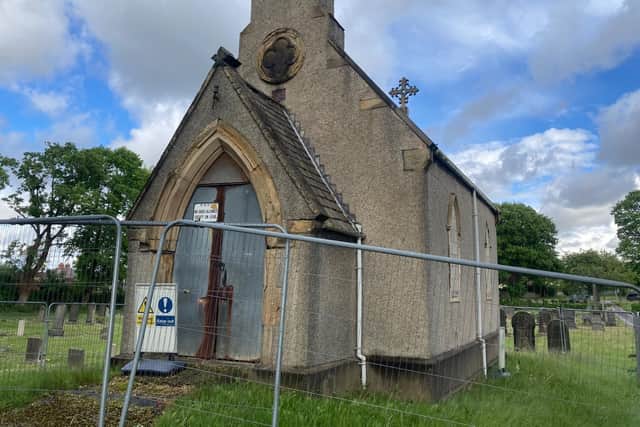
“The view is to bring them back to stability so they are not at risk of falling down.”
Coun Thomas said it was hoped funding could then be secured to “make them fit for purpose and used again.”
He added: “But, absolutely, we will not be selling them.”
A florist and a coffee shop are among possible future uses for the buildings suggested by local councillors.
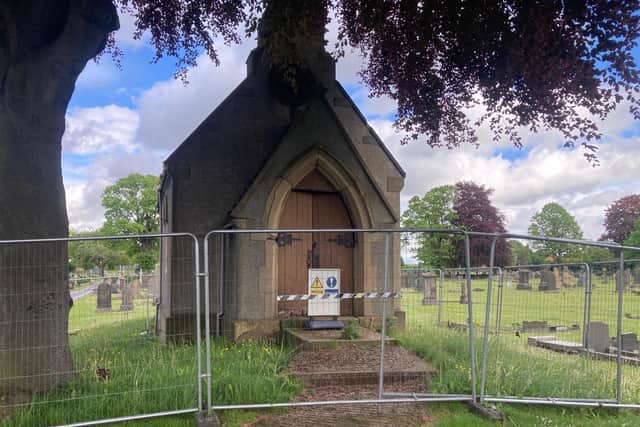
One chapel was used by the Church of England and the other was used by non-conformists before burials.
Residents also said the buildings represent an important part of Knottingley’s history and want to see new life breathed into them.
Local resident David Nye previously previously said: “I have watched these gradually get more dilapidated over the last five or six years. My mum and dad rest in this cemetery and it’s an eyesore at present.”
Margaret Fiddes said: “It would be very good to be able to save them as an example of this kind of building, as well as being able to make use of them in the future.”