
Dr's Casebook column with Dr Keith Souter: Enjoy the bonfire barbecue but think about the way your food is cooked
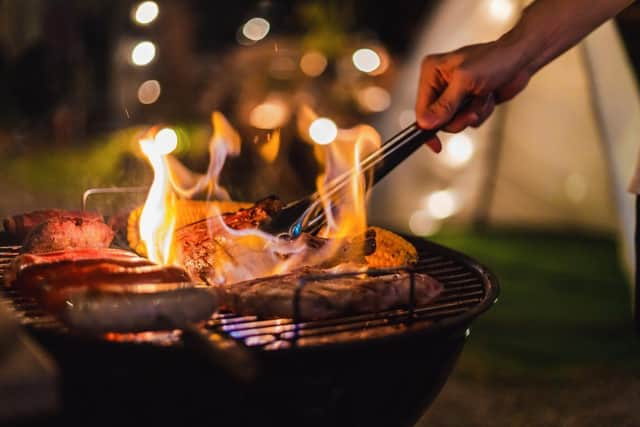
Bonfire Night is just around the corner and wood will be stockpiled in readiness for the annual festivities with lots of fireworks, good Yorkshire parkin and probably a barbecue. You can almost smell the smoke and taste the Bonfire Night fare.
I enjoy a good barbecue, but I’m always wary of having grilled or fried food too often. It is undoubtedly tasty, but therein lies the rub. Research from the Buck Institute for Research on Ageing in California has established a link between certain chemicals in cooked and processed foods that increase hunger, create cravings and test one’s will power to make healthy eating choices.

The Maillard Reaction
These chemicals are called Advanced Glycation End-products, or AGEs. They are produced in the browning of food when it is cooked. The Maillard reaction is what happens when you cook food at high temperature. These AGEs are metabolic by-products that occur when a sugar combines with part of a protein or fat. Thus, they are created during baking, frying and grilling, and are in many processed foods.
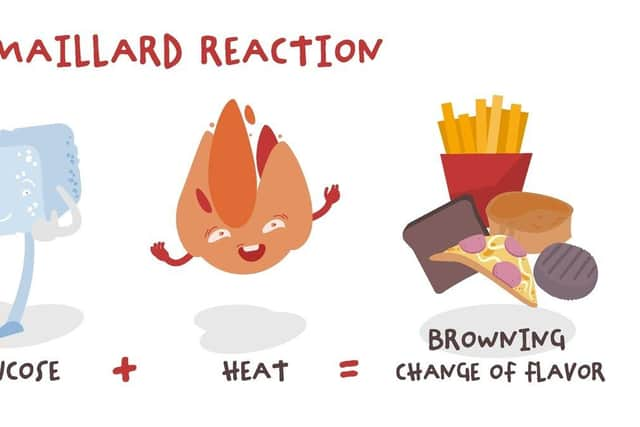
It is because of these that you get the brown colour in cooking which makes it look and smell delicious. They increase hunger and create desire for more, almost making certain foods addictive.
During the Maillard reaction hundreds and thousands of AGE chemicals are produced. The problem is that although these enhance flavour AGEs also produce oxidation damage in cells, membranes and inside our organs. It is thought that this is one of the prime reasons that organs age.
This has been demonstrated by studies on worms. It has been found that when the worms were fed certain purified AGEs their appetites increased, they stored fat, their inner organs aged and their life span diminished.
Minimise the risk
So how can you minimize the AGEs in your diet? Firstly, try to reduce the amount of fried, grilled and processed food you eat. Wet cooking of foods doesn’t produce the Maillard reaction, since you don’t get temperatures beyond 100 degrees, the boiling point of water. The Maillard reaction needs temperatures of 180 degrees. Second, consider intermittent fasting, as in the 5:2 diet, because that way your body will metabolise fat rather than sugars on the fasting days. And third, adding acid – vinegar or lemon juice – during cooking limits the Maillard reaction. But don’t let me spoil the fun. Occasional barbecues are OK, such as on Bonfire night.