
Boat residents raise fears for wildlife as canal homes approved
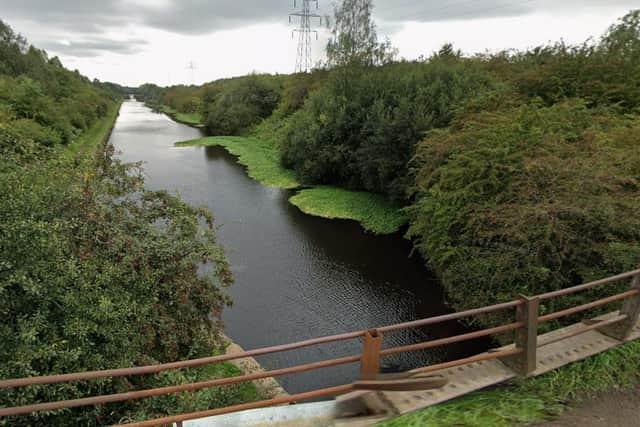
Narrowboat residents warned councillors about the loss of wildlife habitats as plans to build 151 canalside homes were approved.
Wakefield Council’s planning and highways committee gave the go-ahead to proposals for the scheme next to the Aire and Calder Navigation.
The application forms part of the wider City Fields development, which will see a new suburb of around 2,500 homes when the major expansion to the east of the city is completed.
Kathryn Pybus and Lisa Hudson, who live at the nearby Stanley Ferry boat site, urged councillors to reject the scheme.
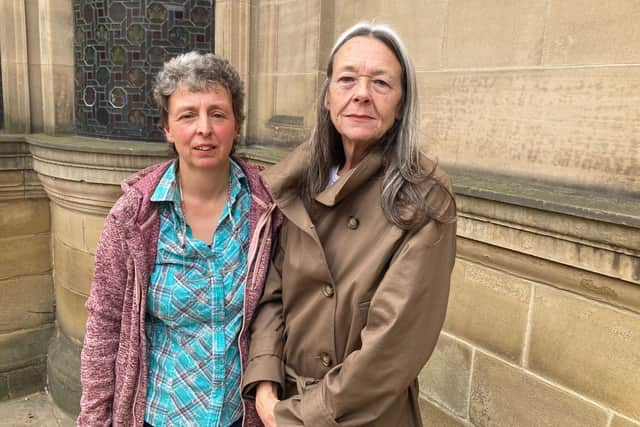

Ms Pybus, who has lived on a narrowboat at Stanley Ferry for 21 years, told the meeting at Wakefield Town Hall: “Cramming 151 houses onto that narrow strip of land will result in the vast majority of the natural habitat on site being destroyed.”
She said Yorkshire Wildlife Trust had also lodged an objection due to a “lack of up to date wildlife surveys.”
Ms Pybus added: “Councils have a legal duty to protect and restore nature.
“To abide by wildlife laws, and local and national policies, this application needs to be rejected.”
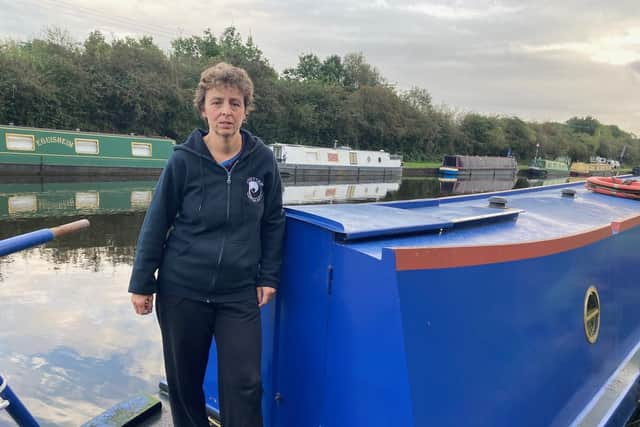
Ms Hudson said the area had been a “hotspot” for wildlife when she moved to the area in 2016.
She said: “I no longer have bats flying over my boat. I no longer see grass snakes. I no longer see swifts. Where have they gone?
“The development has affected our county’s wildlife and it has affected the water table.
“The impact should force you to take notice. Mitigation should have commenced years ago.
“You knew that project was vast, you should be ashamed of yourselves.”
The application was the fourth in a series aimed at delivering housing on land owned by Wakefield Council.
The local authority owns around 60 of 375 acres of land earmarked for development at City Fields
The council now plans to sell the site to a developer to deliver the project.
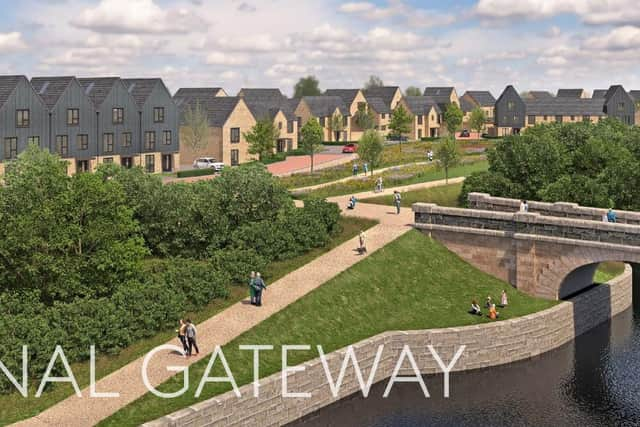
A range of one to four-bedroom homes are planned, along with four vehicle access routes to the seven-hectare site.
Car parking, garages, drainage infrastructure, pedestrian and cycles access, a new public open space and landscaping are also planned to serve future residents.
Gavin Winter, speaking on behalf of the council, said the scheme formed part of a masterplan and was required to meet local housing targets.
Five objections to the scheme were submitted ahead of the meeting, with residents citing concerns over the impact on nearby nature reserves, including the Southern Washlands and Stanley Ferry Flash.
Objectors also said the scheme would add pressure to local road networks and that there was a lack of essential infrastructure and services in the area to accommodate more homes.
Yubi Ayub, councillor for Wakefield East ward, said residents had “repeatedly raised concerns about the increasing loss of green space, the continued absence of promised local facilities and the growing pressure on roads and other infrastructure.
Coun Ayub also said an independent ecologist had concluded that the development “could cause ecological harm at a county level.”
No comments of support for the application were submitted.
A report said any developer would be required to make a Biodiversity Net Gain financial contribution of £956,500 to compensate for the loss of habitat units.
Further payments would also be required to provide more primary and secondary education places in the area and to support sustainable transport.
A planning officer’s report said: “The proposed development is considered to be acceptable in principle and, subject to the imposition of planning conditions, there are considered to be no technical reasons to withhold planning permission.”
The application was approved after five committee members voted in favour and five abstained.