
‘Targeting the bereaved’: Cabinet member opposes council plan to scrap empty home tax discount
A senior councillor has publicly opposed his own cabinet’s proposal to scrap a council tax discount on empty homes.
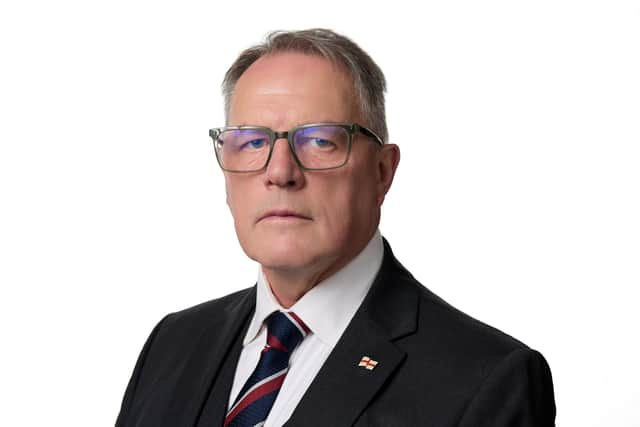
Andrew Wakefield said the planned policy change by Wakefield Council would “target” bereaved residents and failed to support small business owners.
Coun Wakefield, portfolio holder for strategic housing, skills and business growth, made the comments as his colleagues approved a document recommending the removal of a one-month tax discount on homes when they become unoccupied.
The Reform UK-led council wants to introduce the scheme, which is already in place at all neighbouring authorities, at the start of the next financial year on April 1.

A report said the discount had been awarded to around 10,000 council tax accounts across the district during the 2025/26 financial year, equating to £760,000 of lost revenue.
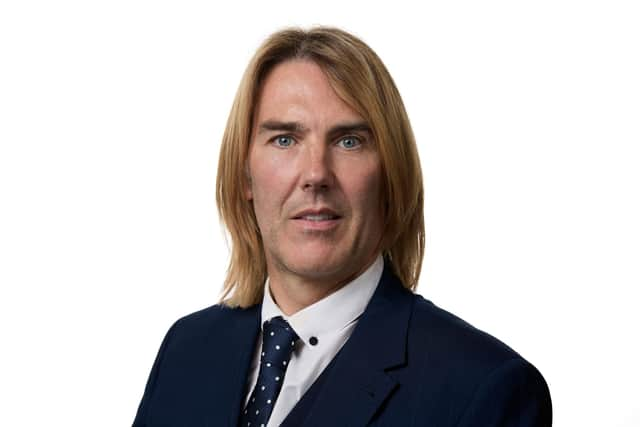
During the meeting on Tuesday (October 20), Coun Wakefield asked John Thomas, portfolio holder for resources and property: “Is this going to have any impact on bereaved relatives, any probate, or small businesses in particular?”
Coun Thomas said provisions would still be in place to allow the discount in “exceptional circumstances”, including for residents who had suffered a bereavement.
He said: “There are still opportunities for people to apply for the discount. All this does is take away the automatic granting of it.”
Coun Wakefield then asked: “So are you suggesting that people have to apply for it as soon as they suffer bereavement?
Coun Thomas replied: “I know what you are saying, it’s a difficult period but people would have to apply for it anyway.
“All we are doing is bringing ourselves as an authority in line with every other authority.”
Coun Wakefield then asked: “Correct me if I’m wrong but, on the surface, that appears that we are targeting the residents of Wakefield district who may have suffered some sort of bereavement, or subject to probate, and the very small businesses who we are meant to be assisting and supporting. What would you say to that?”
Coun Thomas answered: “As I have said before, anybody who has suffered bereavement, or properties going to probate, there is the opportunities for us to support those people.”
Coun Wakefield further asked: “What about the small businesses that we are trying to support and encourage?”
In response, Coun Thomas said: “In the grand scheme of it, this is a very small charge per individual council tax account.”
Opposing the report, Coun Wakefield said: “My personal opinion is that I think we need some more consultation on this, some more open debate, prior to this being pushed forward. At the moment I can’t support it.”
The report said Leeds, Barnsley, Doncaster, Bradford, Kirklees and North Yorkshire councils did not offer an empty property discount and the scheme would “align Wakefield Council’s policy with that of neighbouring authorities.”
The document also stated: “The key rationale for the recommendation proposed is to increase the amount of council tax that could be collected, simplify the administration of council tax, reduce the numbers of unnecessary customer contact and incentivise the occupation of empty properties.”
Nine out of ten cabinet members voted in favour of the report but it was agreed that the document should be amended to include the concerns raised at the meeting.
The report has to be approved at a full council meeting in December before the new policy can be implemented.
Council leader Karl Johnson said further enquiries should also be made in relation to bereaved relatives.
He said: “If people are grieving, we should make sure there is a period of time and we are not hitting people with a silly fine.
“There should be some sort of limit because we are here trying to look after businesses.
“This is why we are transparent, we are openly talking about this today.
“We are being honest with each other and trying to get the best for the residents of Wakefield and businesses.
“It’s a sensitive issue, I think we can all say that.”
Keith Anderson, cabinet member for highways, transport and planning: “It would be interesting for us as a council, as a cabinet, to at some point digest and understand the liabilities and the risks to people.
“But I don’t think that affects the decision that we need to make.
“We are making the ethical decisions to try and put the budget straight. That’s always the hard part.
“You have to take a moralistic view and an ethical view and we are always balancing two.
“We might want to morally do one thing but sometimes ethically we have to make the right choice for the budget.”